
Jaw Tension and TMJ Pain: Causes and Relief in Colleyville, TX
Nervous-system-informed care for jaw tension, clenching and neck tension in Colleyville, TX, working alongside your dentist, guided by CLA INSiGHT scans.
❖ Personalized, One-on-One Care
❖ Cash-Based, No Insurance Required
❖ Webster Certified
❖ CLA INSiGHT Technology
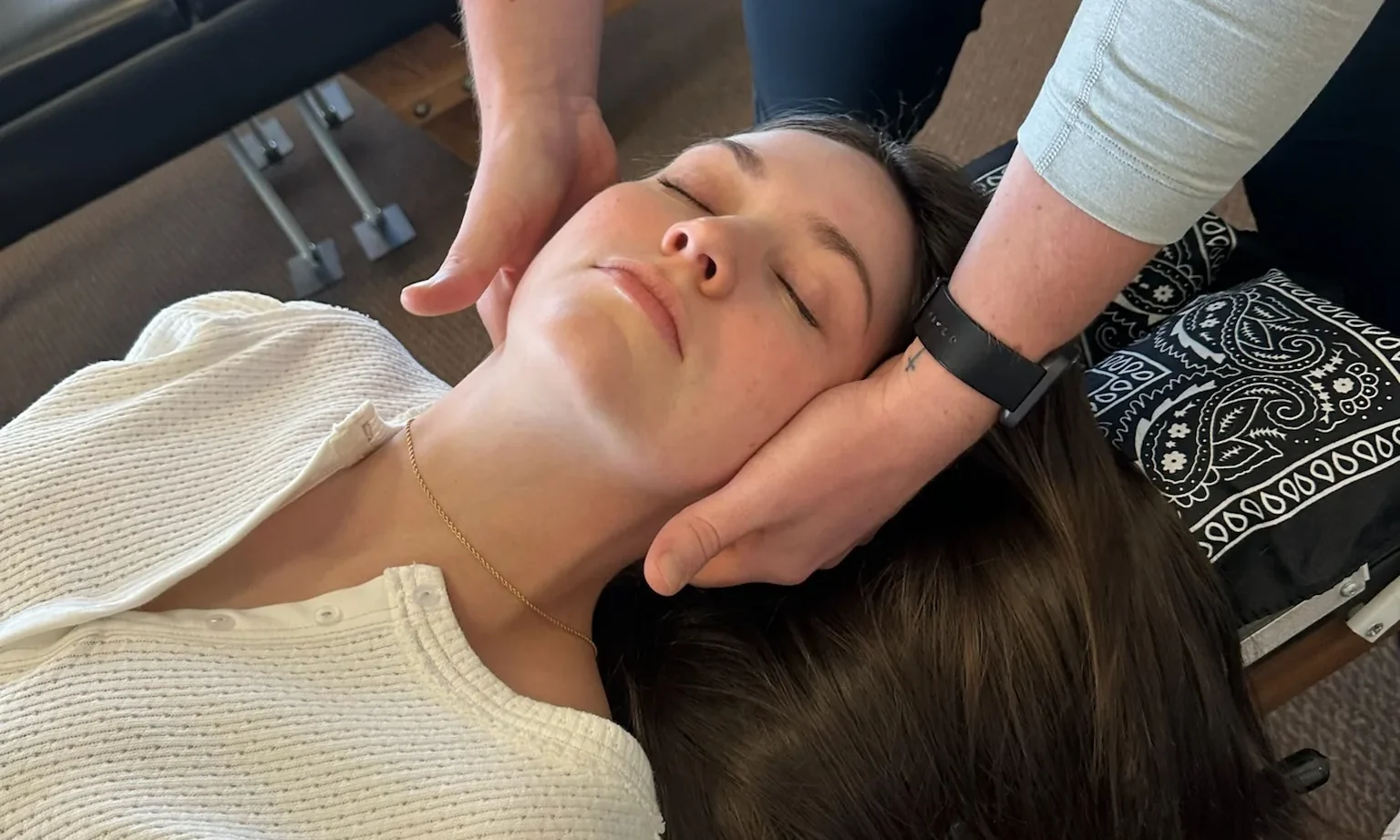
Your temporomandibular joints, or TMJs, sit just in front of your ears on each side of your head and connect your lower jaw to your skull. Mayo Clinic’s overview of TMJ disorders explains that problems here can cause pain in the jaw joint and in the muscles that control jaw movement.
Mayo Clinic lists the common signs:
- Pain or tenderness in the jaw
- Pain in one or both jaw joints
- Aching pain in and around the ear
- Trouble chewing, or pain while chewing
- Aching facial pain
- Locking of the joint that makes it hard to open or close your mouth
Clicking or popping by itself isn’t usually a problem. Mayo Clinic notes that if there is no pain or limited movement with the clicking, you probably don’t need treatment.
The exact cause is often hard to pin down. Mayo Clinic points to teeth clenching or grinding (called bruxism), arthritis in the joint and injuries to the jaw. Stress plays a part for many people. The HealthLink BC guide to TMD notes that you may clench or tighten your jaw muscles without realizing it when you are under stress.
Jaw tension often shows up with other symptoms. Cleveland Clinic lists headaches or migraines, earaches, and neck or shoulder pain among the signs of TMD, and names stress that causes jaw tension as one cause. Posture matters too: Cleveland Clinic counts poor posture, daytime clenching and sleeping on your stomach among the habits that can make TMD worse.
Long stretches of stress keep the body in a more alert, on-guard mode, and for some people the jaw and neck are where that tension shows up. When tight shoulders and headaches come with it, our neck tension and headache care looks at both. If screens fill your day, forward head posture from screens is worth checking as well.
The good news is that jaw pain often settles with simple care. Mayo Clinic says the pain and discomfort of TMJ disorders usually last only a limited time, and HealthLink BC notes symptoms often come and go without getting worse and usually go away without a doctor’s care. The NIDCR guide to treating TMD says less is often best, so simple, reversible care is the place to start.
HealthLink BC suggests these self-care steps for jaw pain:
- Put an ice pack or a warm, moist cloth on your jaw for 15 minutes several times a day
- Choose softer foods that are easy to chew, like eggs, yogurt or soup
- Keep your teeth apart except when you are eating or swallowing
- Avoid constant gum chewing, nail biting and resting your chin on your hand
- Manage stress, whether that is a walk on the McPherson Park trails or a few slow breaths at your desk, and notice when you are clenching
- Sit and stand with good posture
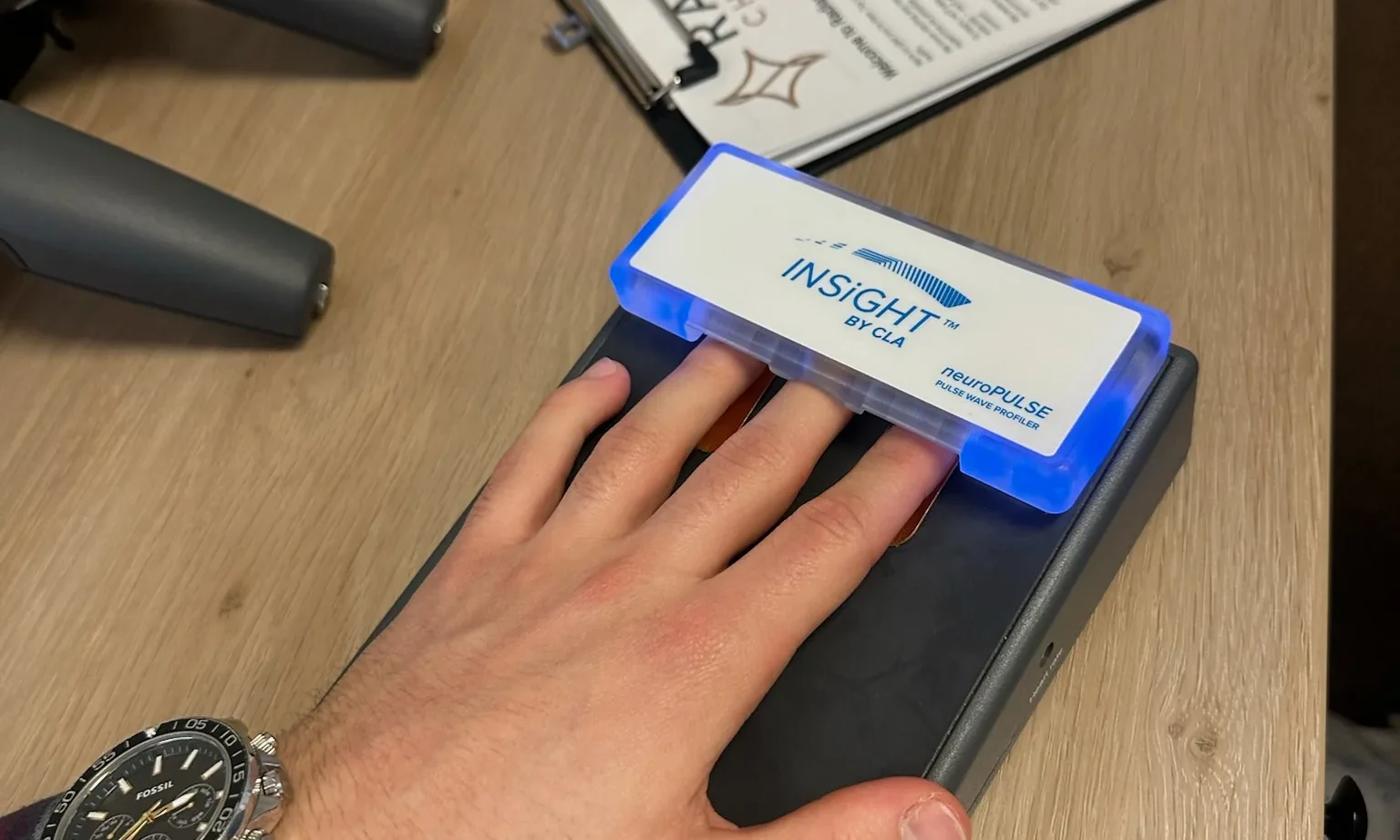
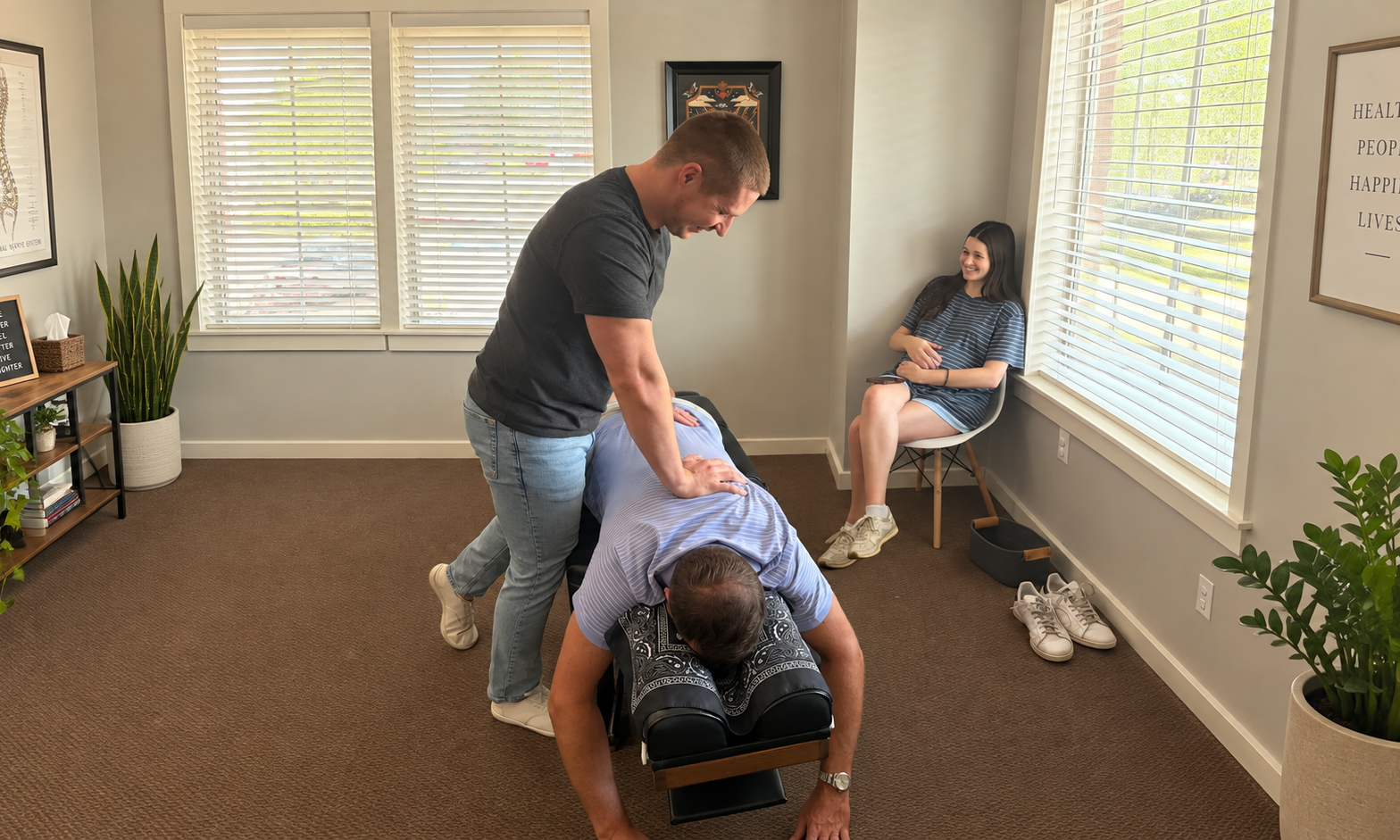
Your dentist is an important part of the team for jaw pain, especially if you grind your teeth at night or your bite feels off. In our office, Dr. Williams looks at how your neck, upper back and posture may be adding to jaw and facial tension, and a CLA INSiGHT scan shows how much stress your nervous system appears to be carrying. Care focuses on the neck and upper back, plus practical habits for stress, screens and sleep, and we coordinate with your dentist rather than replacing them. Our Colleyville chiropractic office is an easy drive from Southlake and welcomes nearby North Richland Hills families too.
Mayo Clinic recommends seeing a healthcare professional if you have constant pain or tenderness in your jaw, or if you can’t open or close your jaw completely. HealthLink BC adds that sudden jaw pain after a facial or jaw injury should be checked. Get emergency care right away if jaw pain comes with chest pain or pressure, shortness of breath, nausea or a cold sweat, since jaw discomfort can be a warning sign of a heart attack, as the American Heart Association notes.
What causes jaw tension?
Mayo Clinic points to teeth clenching or grinding, arthritis in the jaw joint and jaw injuries. Stress plays a big part for many people, since you may clench without realizing it. Posture and neck tension can add to it too.
Will TMJ pain go away on its own?
Often, yes. Mayo Clinic says TMJ pain usually lasts only a limited time, and HealthLink BC notes symptoms often come and go and usually go away without a doctor’s care. If pain is constant or you can’t open or close your jaw completely, see a healthcare professional.
Can stress cause jaw pain?
Yes. HealthLink BC notes that you may clench or tighten your jaw muscles when you are under stress. Noticing when you clench, keeping your teeth apart at rest and finding ways to downshift during the day can help.
Can a chiropractor help with jaw tension?
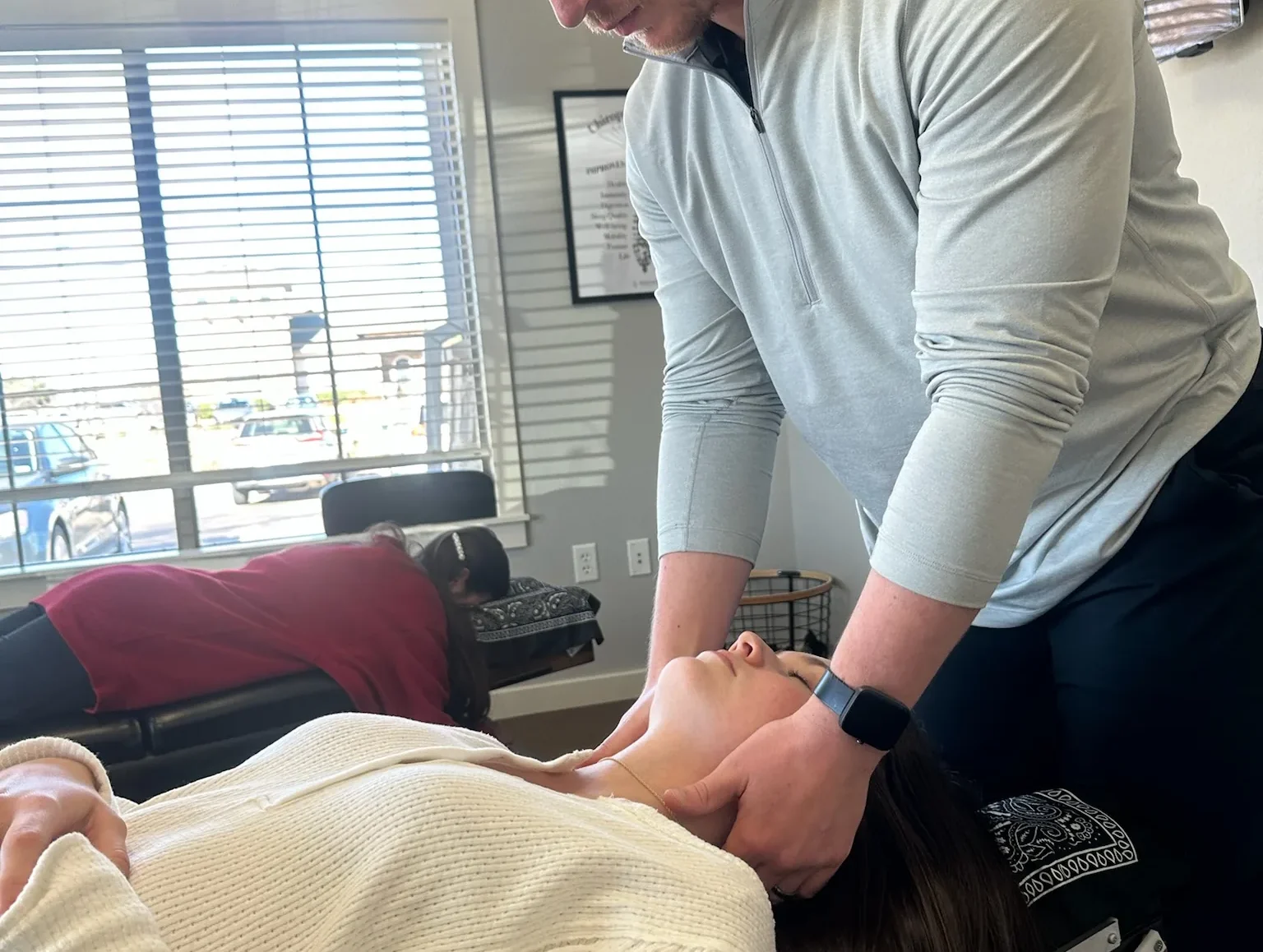
A chiropractor can look at how your neck, upper back and posture may be adding to jaw and facial tension. At Radiant Chiropractic, we start with an exam and a CLA INSiGHT scan, focus care on the neck and upper back, and coordinate with your dentist for bite or grinding problems.
Why do kids grind their teeth?
Many kids grind or clench at some point. KidsHealth lists teeth that aren’t aligned, pain from teething or an earache, and stress, such as worry about a test or a change in routine. Most kids outgrow it without lasting problems, and Cleveland Clinic notes many do by adolescence. If you hear grinding or your child wakes with a sore jaw, mention it to your dentist.

Schedule Now
Looking for a family chiropractor in Colleyville, TX? At Radiant Chiropractic, every care plan starts with a real assessment, not a guess. Schedule your first visit and see what’s actually going on.
What Colleyville Families Are Saying
Real feedback from the families we’ve had the privilege to care for


 Trustindex verifies that the original source of the review is Google.
 Trustindex verifies that the original source of the review is Google.

 Trustindex verifies that the original source of the review is Google.
 Trustindex verifies that the original source of the review is Google.
 Trustindex verifies that the original source of the review is Google.
 Trustindex verifies that the original source of the review is Google.
 Trustindex verifies that the original source of the review is Google.
 Trustindex verifies that the original source of the review is Google.

 Trustindex verifies that the original source of the review is Google.
 Trustindex verifies that the original source of the review is Google.
Visit Our Office
Contact us for expert chiropractic care in Colleyville, TX.
PHONE - Call or Text 📱
HOURS
Monday: 9:00am–1:00pm, 4:00pm–7:00pm
Tuesday: 4:00pm–7:00pm
Wednesday: 9:00am–1:00pm, 4:00pm–7:00pm
Thursday: 9:00am–1:00pm, 4:00pm–7:00pm
Friday: Closed
Saturday: Closed
Sunday: Closed