
Poor Sleep Causes & Relief in Colleyville, TX
Nervous-system-informed care for poor sleep, restlessness, and night waking in kids and adults, guided by CLA INSiGHT scans, not guesswork.
❖ Personalized, One-on-One Care
❖ Cash-Based, No Insurance Required
❖ Webster Certified
❖ CLA Insight Technology
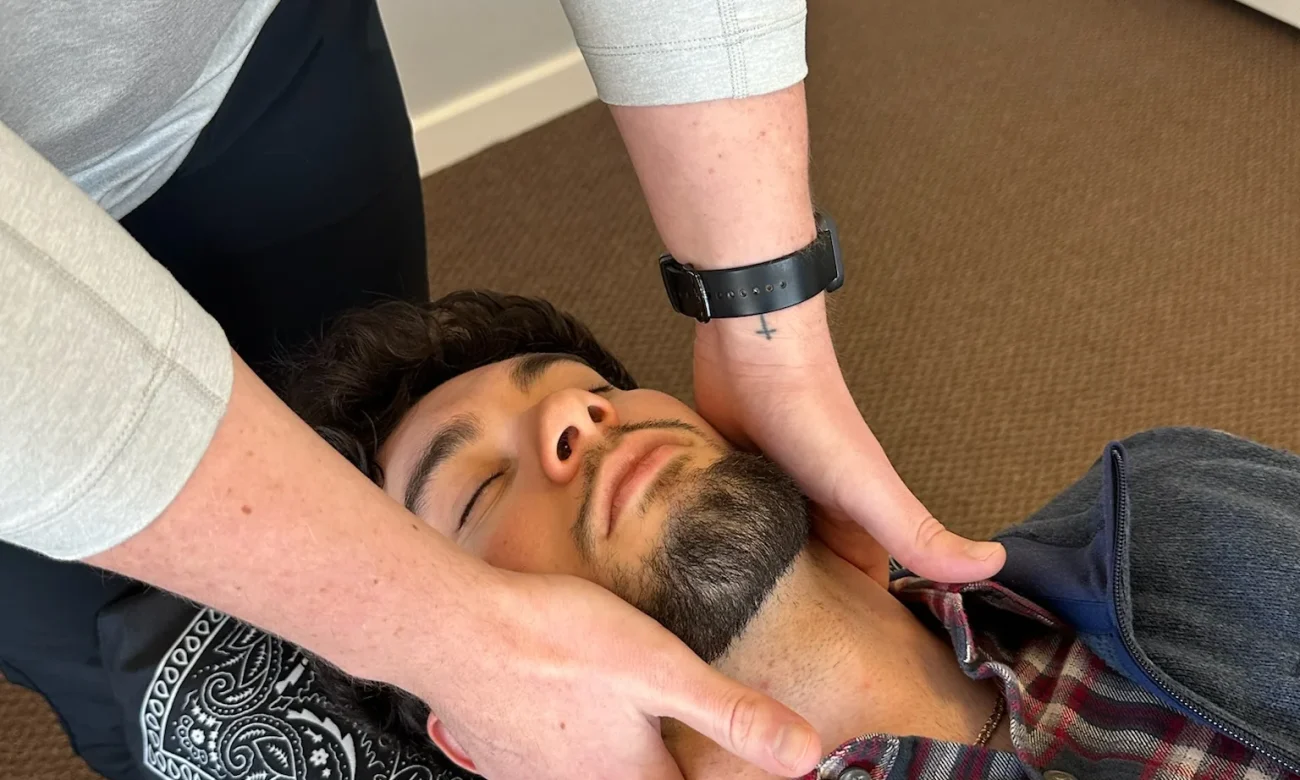
Poor sleep quality means the body never gets deep into the restorative stages of sleep, even after eight hours in bed. Signs include waking up tired, tossing and turning, snoring, or waking up several times a night. In kids, it can look like bedwetting, night terrors, or being cranky and hyper the next day.
Here’s the thing a lot of parents in Colleyville don’t realize: hours in bed and quality sleep are two different things. We hear it all the time in our office: a mom tells us her son sleeps nine hours a night, but he’s still exhausted at breakfast. That’s poor sleep quality. The Sleep Foundation makes the same point: duration alone isn’t the full picture, the body also has to cycle through deep sleep and REM sleep for that time to actually be restorative.
So what counts as poor sleep quality? It’s not just about the clock. It’s about what’s happening while a child, or an adult, is asleep.
- Waking up multiple times during the night, even for just a minute or two
- Snoring or mouth breathing, which can point to airway or nervous system issues in kids
- Restless movement, tossing, or ending up sideways across the bed by morning
- Grogginess or irritability within an hour of waking, despite a full night in bed
- Frequent night terrors or bedwetting past the age most kids grow out of it
Adults deal with a version of this too. A desk job, a long commute, and hours spent hunched over a laptop can leave someone technically asleep for eight hours without ever resting deeply. That’s an adult version of the same problem: a nervous system that’s stuck in tension and can’t settle into deep sleep.
For infants, poor sleep quality often shows up as frequent night waking, trouble settling after feeding, or arching and fussing when laid flat. Parents sometimes assume this is just how babies are; it’s often tied to tension in the spine and nervous system from birth.
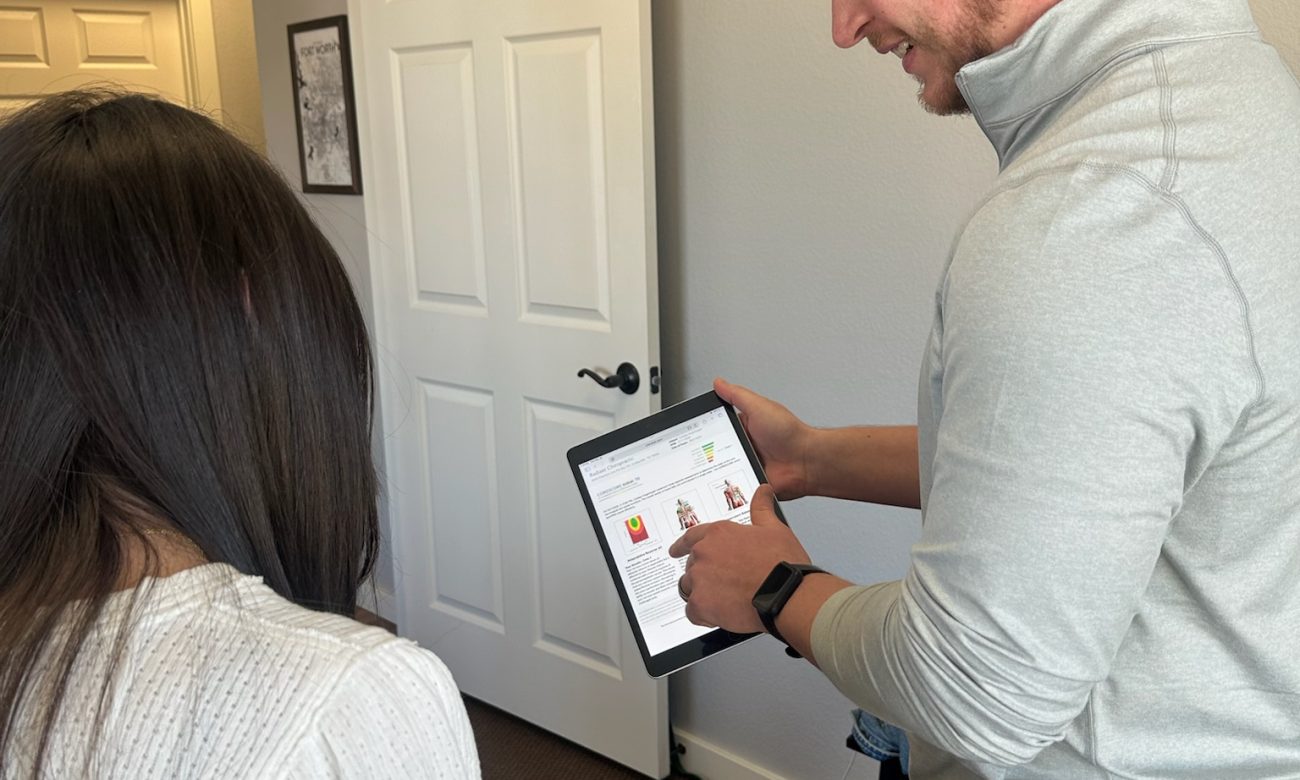
We use CLA INSiGHT scans in our Colleyville office to measure how a child’s nervous system is functioning, not just guess based on symptoms. It gives us a clear picture of where tension is sitting and whether it’s connected to what’s happening at night.
If any of this sounds like your house, whether it’s a toddler who won’t stay asleep or a parent who feels wired at bedtime, it’s worth getting a closer look at what’s going on beneath the surface.
Most parents who come in tired don’t have one big problem. They have one of three patterns. We see this over and over at our Colleyville office, and once you know which pattern fits your family, the next step gets a lot clearer.
Poor sleep in babies and toddlers usually traces back to nervous system tension, not bad habits. A newborn’s spine goes through a lot during birth. That tension can show up as trouble settling, frequent night waking, or a baby who only sleeps well when held. Some of that is developmental: HealthyChildren.org, the American Academy of Pediatrics’ parent resource, notes that babies don’t settle into regular sleep cycles until around four months old, so some early night waking on its own isn’t unusual. What we watch for is tension that keeps a baby from settling well past that window, or that shows up alongside arching, fussing, or a baby who only sleeps well when held.
- The wired infant: baby seems overtired but can’t settle, arches during feeds, and wakes every hour or two even when fed and dry.
- The restless toddler: tosses and turns, wakes with tight hips or a stiff neck, and seems uncomfortable rather than scared.
- The stressed-out parent: a mom or dad whose own back or neck pain, from carrying a car seat across a Southlake parking lot or hunched over a laptop, keeps them from getting deep rest even when the kids are down.
In infants, a CLA INSiGHT scan often shows tension along the upper neck, something that can trace back to a fast or difficult delivery. Gentle, age-appropriate adjustments using the Webster Technique approach adapted for infants are aimed at easing that tension so the nervous system has an easier time settling at night.
Toddlers show a different pattern. They’re moving all day, falling on hardwood floors, riding bikes, getting thrown around in daycare play. Their little spines take a beating, they just can’t tell you where it hurts. A stiff neck or misaligned pelvis can make it hard to get comfortable at night, so they shift positions constantly and wake up more than they should.
Then there’s the parent pattern, and this one’s easy to overlook. If you’re a dad who sits at a desk all day in Colleyville and comes home with a locked-up lower back, your own sleep suffers even if the kids are fine. Poor sleep isn’t just a kid issue. It runs through the whole house.
Which pattern sounds like your family? The baby who can’t settle, the toddler who won’t stay asleep, or you, tossing and turning after a long day of chasing kids and driving across DFW?
Naming the pattern matters because it changes what we look at first. A CLA INSiGHT scan gives us an objective look at where nervous system stress is showing up, rather than guessing. From there, we can talk through what gentle, age-appropriate care might look like for your child or for you.

Poor sleep in kids and adults almost always has a root cause, not just bad luck. When a family comes in and tells us their child wakes up crying every night, or a mom from Colleyville says she hasn’t slept through the night in months, we start asking questions. What changed? When did it start? Sleep problems usually trace back to something physical, something environmental, or both.
For infants, the nervous system is still learning how to regulate itself. A rough delivery, even a routine one, can leave tension in the upper neck. That tension can affect how well a baby settles. We see this with newborns whose parents describe them as never quite comfortable lying flat.
Kids are a different story. A growth spurt, a fall off the monkey bars at recess, or hours hunched over a tablet can all throw off spinal alignment. That misalignment puts stress on the nervous system, and a stressed nervous system doesn’t downshift into deep sleep easily. This is a pattern we see a lot in Southlake and Colleyville alike: screen time jumps once school starts back up, right around when sleep trouble begins too.
- Newborns and infants: birth trauma, colic, reflux, tight neck muscles from tummy time avoidance
- Toddlers and young kids: growth spurts, falls, poor posture from car seats or tablets
- School-age kids: heavy backpacks, sports injuries, long hours at a desk
- Pregnant moms: shifting pelvis, added spinal curve, nerve pressure from a growing baby
- Adults: old injuries, desk jobs, stress carried in the shoulders and neck
It’s common to see this pattern show up across a whole family, not just through genetics, but through shared habits, stress, and how everyone’s spine handles daily life. A parent with a stiff lower back from years at a desk may have a child dealing with a related, if different-looking, kind of tension.
Pregnancy brings its own set of causes. As the pelvis shifts and the spine curves more to support the extra weight, nerves can get pinched or irritated. That irritation makes it hard to find a comfortable position, and comfortable positions are exactly what good sleep depends on. We use the Webster Technique with a lot of our pregnant patients in Colleyville for this exact reason: it’s built to ease that kind of pelvic tension.
That’s really what a proper exam is for. A CLA INSiGHT scan shows us how the nervous system is actually functioning, instead of us guessing from symptoms alone. The CDC notes that ongoing sleep deprivation is linked to broader health effects over time, including cognitive changes and increased cardiometabolic risk, which is exactly why persistent sleep trouble is worth a closer look rather than being brushed off as just stress. It gives us a clearer picture than just asking about pain, especially with kids who can’t always explain what’s bothering them.

How do I know if my sleep problem needs a professional look versus just trying better habits at home?
You should get it checked if basic changes like a cooler room or a set bedtime don’t help after a few weeks. Waking up tired even with enough hours in bed is another sign. Occasional restless nights are normal for most people. But a pattern that keeps repeating usually points to something a sleep-focused evaluation can uncover more clearly than guessing on your own.
What's a common misconception about poor sleep that trips people up?
Many people believe getting enough hours in bed automatically means good sleep. That’s not true. Frequent waking or shallow sleep can leave you just as tired as someone who slept far fewer hours. The number of hours matters less than how steady and deep that sleep is. Recognizing this difference helps you describe your real problem instead of just counting hours.
Does Colleyville's summer heat affect how well I sleep?
Yes, hot and humid North Texas summers can make it harder to keep a bedroom cool and steady overnight. Homes across Colleyville vary in age, so insulation and air conditioning performance aren’t the same everywhere. A room that swings in temperature overnight can interrupt sleep cycles without you realizing why. Checking your bedroom’s nighttime comfort is a simple, local factor worth ruling out first.
What causes poor sleep quality in the first place?
Poor sleep usually comes from stress, screen use before bed, caffeine timing, or an uncomfortable bedroom environment. Sometimes an underlying health condition is behind it too. The exact cause often depends on which pattern you’re dealing with: trouble falling asleep, frequent waking, or feeling tired despite enough time in bed. Identifying your pattern first makes it easier to figure out what’s driving it.
What should I track before talking to someone about my sleep problems?
Write down your bedtime, wake time, how many times you wake up, and how tired you feel each morning. Do this for one or two weeks before any appointment. This gives far more useful detail than trying to describe your sleep from memory. A tracked pattern also helps a provider spot trends faster during a sleep-focused evaluation.
Can poor sleep really affect my overall health over time?
Yes, ongoing poor sleep is linked to broader health effects, according to general guidance from the CDC. This includes daytime impairment and long-term wellness concerns when the pattern doesn’t improve. It’s one reason persistent sleep trouble shouldn’t be brushed off as just stress. If lifestyle changes aren’t helping, it may be time to look deeper into what’s happening at night.

Schedule Now
Looking for a family chiropractor in Colleyville, TX? At Radiant Chiropractic, every care plan starts with a real assessment, not a guess. Schedule your first visit and see what’s actually going on.
What Colleyville Families Are Saying
Real feedback from the families we’ve had the privilege to care for
Posted on Google
 Julz Johnson3 days ago
Trustindex verifies that the original source of the review is Google.
Dr. Cameron did an amazing job with my adjustment!Posted on Google Ehod Alsultan30 days agoDr. Cameron was wonderful like a angel sent from above I came in with all the accent pains limping hurting my back is been hurting for years. I go in there and he adjust my back and he works his magic and guess what I walk out of there feeling great thank you so much for fixing me.Posted on Google
 Logan Vise52 days agoDr. Cameron is the absolute best! Honest, fair, and transparent. Highly recommended!!Posted on Google
 John Marsh67 days agoDr. Cameron is amazingly caring in addition to be highly skilled and extremely thorough. He is a true master of his craft. In my experience, finding someone doing what they love WHILE doing it with a high degree of skill is a unique and refreshing combination.+2Posted on Google
 Kimberly Florez81 days agoMe and my family absolutely love Cameron hes amazing and have never found a chiropractor who has helped me like he has definitely make a appointment with him if you havent already!!!!Posted on Google
 Chris B111 days agoWorking with Dr. Cameron has been great. He’s very thorough in diagnosing and explaining what’s causing my back issues. The appointments are efficient, and I always feel better after. Plus, he gave me exercises/stretches to work on at home so it’s a holistic approach to help with longer term prevention of problems. I would definitely recommend him.Posted on Google
 Brian Cox131 days agoDr. Cameron is an amazing chiropractor who focuses on the issues and creates a plan to adjust the issues to sustainable living. Went from migraine/tension headaches daily to having nothing for past 2 weeks. I had an accident that put me out of alignment, yet Dr. Cameron has taken the time to assess and progress with each area and issue. Has alleviated numbness in my fingers from my wrist issue and recovering a majority of the lost flexibility in my neck. Posture is improving and the tension I carried between my shoulder blades to the base of my neck is relieved.Posted on Google
 Matthew McCormack133 days agoI've had a great experience with Dr. Cameron over the past several months. From the moment you walk into the office, you can tell he genuinely cares about his patients and takes time to listen and provide thoughtful care. I’ve appreciated his professionalism, consistency, and the welcoming environment he and his team create. It’s clear he is passionate about helping people feel their best, and that shows in every interaction. Highly recommend to anyone looking for a chiropractor who is knowledgeable, kind, and truly invested in the people he serves!Posted on Google
 Ricardo Flores150 days agoDr. Cameron is attentive and thorough! Felt great after his adjustment and got a lot of relief. Would recommend anyone go here!Posted on Google
 Tyler Dorshorst151 days agoDr. Cameron was incredibly knowledgeable, caring, and made me feel comfortable from start to finish. Great experience, beautiful office, and I left with hope!Verified by TrustindexTrustindex verified badge is the Universal Symbol of Trust. Only the greatest companies can get the verified badge who has a review score above 4.5, based on customer reviews over the past 12 months. Read more


Visit Our Office
Contact us for expert chiropractic care in Colleyville, TX.
PHONE - Call or Text 📱
HOURS
Monday: 9:00am–1:00pm, 4:00pm–7:00pm
Tuesday: 4:00pm–7:00pm
Wednesday: 9:00am–1:00pm, 4:00pm–7:00pm
Thursday: 9:00am–1:00pm, 4:00pm–7:00pm
Friday: Closed
Saturday: Closed
Sunday: Closed