
Sever’s Disease: Heel Pain in Kids in Colleyville, TX
Gentle chiropractic care for active kids with heel pain in Colleyville, TX, looking at how their feet, ankles and hips work together.
❖ Personalized, One-on-One Care
❖ Cash-Based, No Insurance Required
❖ Webster Certified
❖ CLA INSiGHT Technology
What Sever’s Disease Is
Quick Summary: Sever’s disease is irritation of the growth plate at the back of the heel in growing kids. It is one of the most common causes of heel pain in active children, usually between ages 8 and 14. Rest, supportive shoes and calf stretches help most kids get back to their sport.
Sever’s disease, also called calcaneal apophysitis, isn’t really a disease. The AAOS OrthoInfo guide to Sever’s disease describes it as an inflammation of the growth plate in the heel bone and one of the most common causes of heel pain in growing children. Growth plates are areas of cartilage near the ends of bones, and until a child finishes growing they are weaker than the bone around them.
It tends to show up during growth spurts, when bones, muscles and tendons are changing quickly. Cleveland Clinic’s overview of Sever’s disease says it is very common between ages 8 and 14, and that a tight Achilles tendon often adds to it by pulling on the heel bone.
Signs to watch for, based on Cleveland Clinic’s list:
- Pain in one or both heels, and most kids feel it in both
- Pain when you squeeze the heel or when your child puts weight on it
- Limping or walking on tiptoes, especially after running
- Heel stiffness, especially after sleeping
- Swelling or discoloration in the heel
HealthyChildren.org, from the American Academy of Pediatrics, adds that kids often describe it like a bruise, that it is usually worse when running in cleats or shoes with little heel cushion or arch support, and that it rarely flares with low-impact sports like biking, skating or swimming.
Who Gets Sever’s Disease, and Why
Kids in running and jumping sports have a higher risk, according to AAOS, but less active kids can get it too, especially in very flat shoes. Cleveland Clinic points to repeated stress on the heel from high-impact sports on hard surfaces, along with a tight Achilles tendon, flat feet and extra body weight. HealthyChildren.org notes that the tendons in the heel get stretched more in kids with flat feet, while a high-arched, rigid foot takes more impact.
Timing matters as much as the sport. A growth spurt in the middle of a season, back-to-back practices on the ball fields at Colleyville City Park, or a switch to new cleats can all add up on a growing heel.
Sever’s disease is not the same as the heel pain adults get. In adults, morning heel pain usually points to plantar fasciitis in adults, an irritated band of tissue under the foot. In kids, HealthyChildren.org explains, the tenderness sits over the growth center at the back of the heel.
Home Care and How We Help
Most kids get better with simple steps. AAOS says rest, over-the-counter medication and a change in footwear relieve pain in most cases, and that stretching the calf muscles may help decrease stress on the heel. Cleveland Clinic and HealthyChildren.org suggest:
- A break from running and jumping for several days or weeks, as your child’s provider advises
- Ice for 15 to 20 minutes after activity or when pain flares
- Daily calf and Achilles stretches
- Shoes with good heel cushion and arch support, plus heel pads in sports shoes
- Low-impact activities like biking or swimming to stay fit while the heel settles
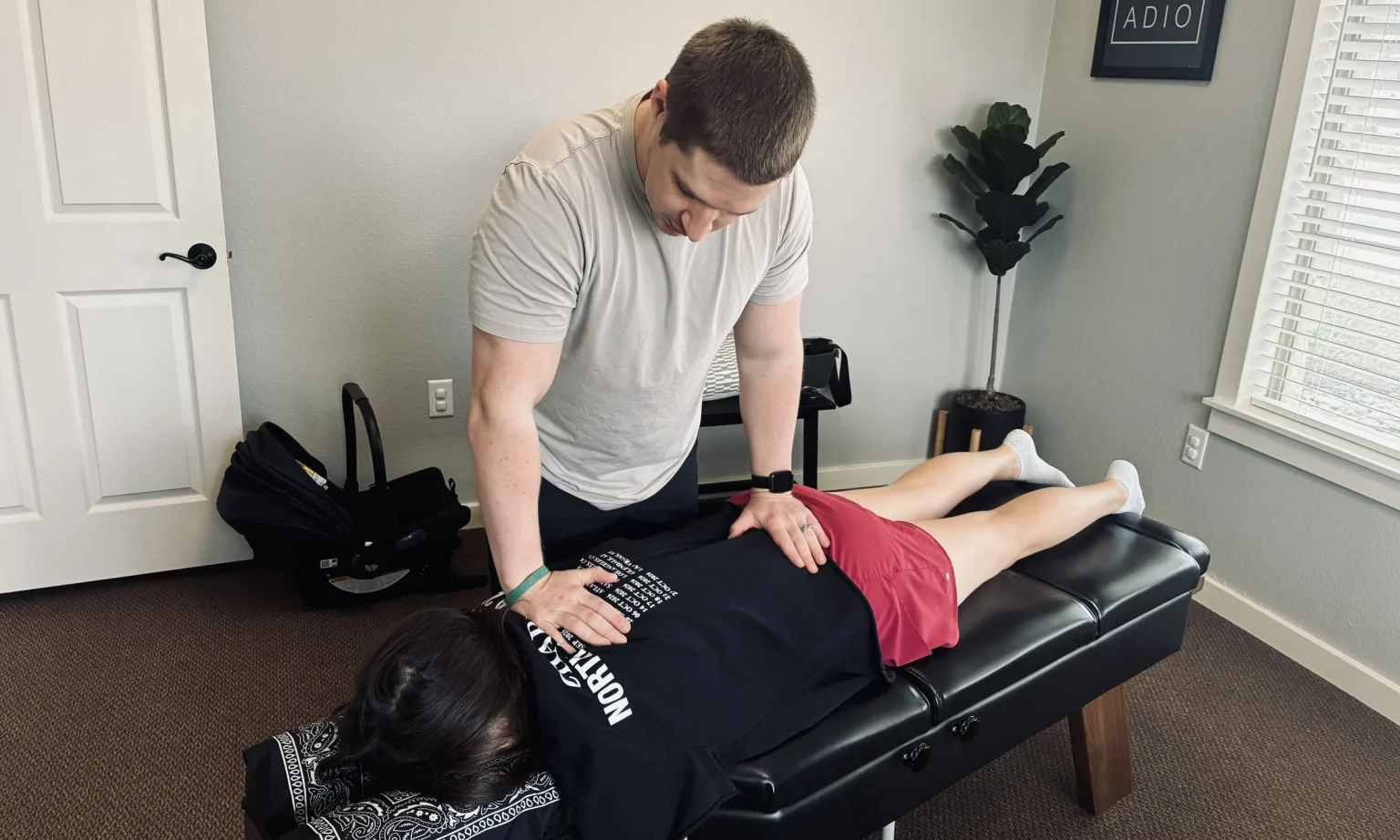
In our office, Dr. Williams looks at how your child’s feet, ankles, knees and hips move together, how they stand and run, and what shoes they wear for school and sports. Care is gentle and matched to your child’s age and size, and it pairs with the stretches and footwear changes that do most of the work. Our chiropractic care for young athletes and gentle pediatric chiropractic follow the same approach.
Families drive in from Southlake, and we also see kids from North Richland Hills at our Precinct Line Road office.
When to See Your Pediatrician
See your pediatrician to confirm Sever’s disease, since other problems can cause heel pain in kids. HealthyChildren.org notes that a doctor may order an X-ray to rule out other causes. Call sooner if heel pain follows a fall or injury, if the heel is very swollen, red or warm, if your child has a fever, or if they can’t put weight on the foot.
Frequently Asked Questions
What age does Sever’s disease happen?
Cleveland Clinic says it is very common between ages 8 and 14, when growth spurts often happen. HealthyChildren.org notes that the growth center at the back of the heel first appears around ages 7 to 8 and matures by about ages 12 to 14.
Can my child keep playing sports with Sever’s disease?
Sometimes. AAOS notes that if your child doesn’t have a lot of pain or a limp, it may be safe to keep playing, while some kids need a break from activity. Your pediatrician can help you decide, and low-impact options like biking or swimming keep kids active in the meantime.
How long does Sever’s disease last?
Most kids improve with rest and simple care. Cleveland Clinic notes that if the stress on the heel can’t be reduced, Sever’s disease may last until the bones finish growing, usually by about age 15.
What shoes help with Sever’s disease?
Look for shoes with good heel cushion and arch support. HealthyChildren.org notes that pain is usually worse in cleats or shoes with little heel lift, and AAOS lists heel pads or cushions in sports shoes among the options your child’s doctor may suggest.
Is Sever’s disease the same as plantar fasciitis?
No. Sever’s disease is irritation of the growth plate at the back of a growing child’s heel. Plantar fasciitis is irritation of the band of tissue under the foot and is more common in adults. HealthyChildren.org notes that in Sever’s disease the tenderness is over the growth center, not in the Achilles tendon or plantar fascia.
Can a chiropractor help with Sever’s disease?
A chiropractor can look at how your child’s feet, ankles, knees and hips work together and how that affects the load on the heel. At Radiant Chiropractic, we start after your pediatrician has confirmed what is going on, keep care gentle, and pair it with the rest, stretches and shoe changes that do most of the work.
Schedule Now
Looking for a family chiropractor in Colleyville, TX? At Radiant Chiropractic, every care plan starts with a real assessment, not a guess. Schedule your first visit and see what’s actually going on.
What Colleyville Families Are Saying
Real feedback from the families we’ve had the privilege to care for


 Trustindex verifies that the original source of the review is Google.
 Trustindex verifies that the original source of the review is Google.

 Trustindex verifies that the original source of the review is Google.
 Trustindex verifies that the original source of the review is Google.
 Trustindex verifies that the original source of the review is Google.
 Trustindex verifies that the original source of the review is Google.
 Trustindex verifies that the original source of the review is Google.
 Trustindex verifies that the original source of the review is Google.

 Trustindex verifies that the original source of the review is Google.
 Trustindex verifies that the original source of the review is Google.
Visit Our Office
Contact us for expert chiropractic care in Colleyville, TX.
PHONE - Call or Text 📱
HOURS
Monday: 9:00am–1:00pm, 4:00pm–7:00pm
Tuesday: 4:00pm–7:00pm
Wednesday: 9:00am–1:00pm, 4:00pm–7:00pm
Thursday: 9:00am–1:00pm, 4:00pm–7:00pm
Friday: Closed
Saturday: Closed
Sunday: Closed