
Pregnancy Back Pain Symptoms & Relief in Colleyville, TX
Nervous-system-informed prenatal care for pregnancy back pain and pelvic pain in Colleyville, TX, guided by CLA INSiGHT scans, not guesswork.
❖ Personalized, One-on-One Care
❖ Cash-Based, No Insurance Required
❖ Webster Certified
❖ CLA INSiGHT Technology
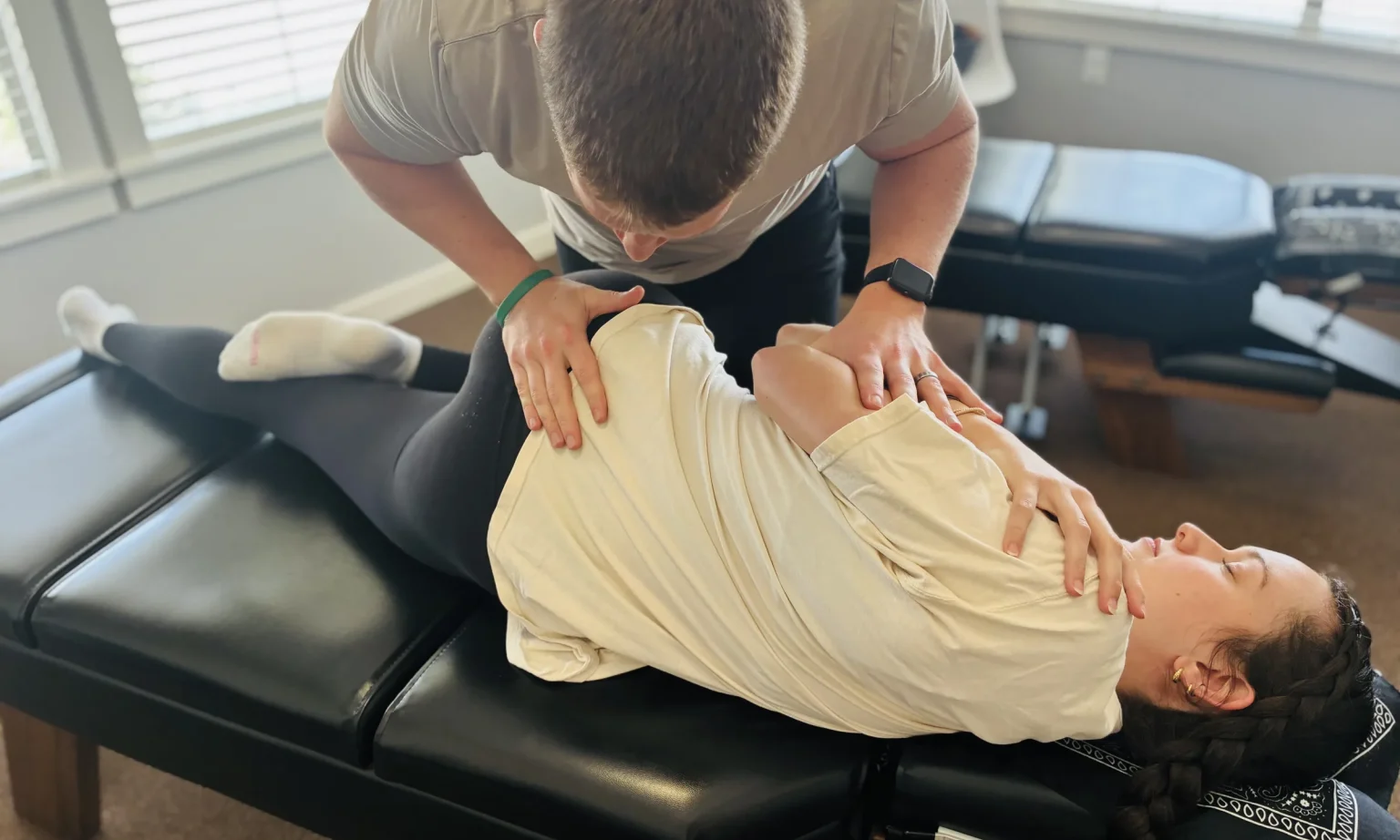
Pregnancy back pain isn’t one thing. It can be a lumbar ache, sharp pelvic pain, or sciatic nerve pain running down a leg, and each type has a different cause, so each one needs a different fix. Here’s what’s actually changing trimester by trimester, and what helps.
Here’s something we tell every mom who walks in with back pain during pregnancy: the label is too broad. Two women can both say their back hurts and be dealing with totally different problems. One might have pelvic girdle pain from a shifting sacroiliac joint. Another might have muscle strain in her lower back from carrying extra weight forward. A third might have sciatic pain shooting down her leg because a tight muscle is pressing on a nerve. Same complaint, three different situations.
We saw this a few months back with a mom who’d just moved to Colleyville from out of state. She assumed her back pain was normal pregnancy stuff and tried to push through it. It turned out her pain was mostly pelvic, not spinal, and it needed a different approach than generic stretches.
- Lumbar back pain: aching or stiffness centered in the lower spine, often worse after sitting or standing too long
- Pelvic girdle pain: sharp or stabbing pain near the hips, tailbone, or pubic bone, often worse with walking or climbing stairs
- Sciatic pain: pain that travels down one leg, sometimes with tingling or numbness
- Round ligament pain: quick, sharp pulls on the side of the belly, usually not true back pain but often confused with it
Treating the wrong problem wastes time. A mom with pelvic girdle pain doesn’t need the same care as a mom with sciatic nerve irritation, and pregnancy changes the body fast, so what caused pain at 16 weeks might not be what’s causing it at 30 weeks.
There’s also a structural piece most people don’t think about. As the baby grows, the pelvis shifts to make room, and that shift can pull the spine and hips out of their normal alignment. This is where techniques like the Webster Technique come in. According to the International Chiropractic Pediatric Association, it is a specific chiropractic analysis and adjustment built to improve pelvic and sacral function during pregnancy, not a generic adjustment.
Hormones play a role too. Relaxin, a hormone the body produces during pregnancy, loosens ligaments to prepare for delivery. That’s helpful for birth, but it also means joints in the back and pelvis get less stable. Those ligament changes can take months to settle after delivery, which is one reason some moms also deal with postpartum back pain. A mom commuting from Colleyville to a desk job in North Richland Hills might notice her pain gets worse the longer she sits, simply because her joints aren’t holding position the way they used to. It’s normal, and it’s also fixable with the right support.
We use tools like CLA INSiGHT scans to get a clearer picture of what’s happening in the spine and nervous system before recommending any care plan, so we’re not guessing which type of back pain a patient is dealing with. We’re checking.
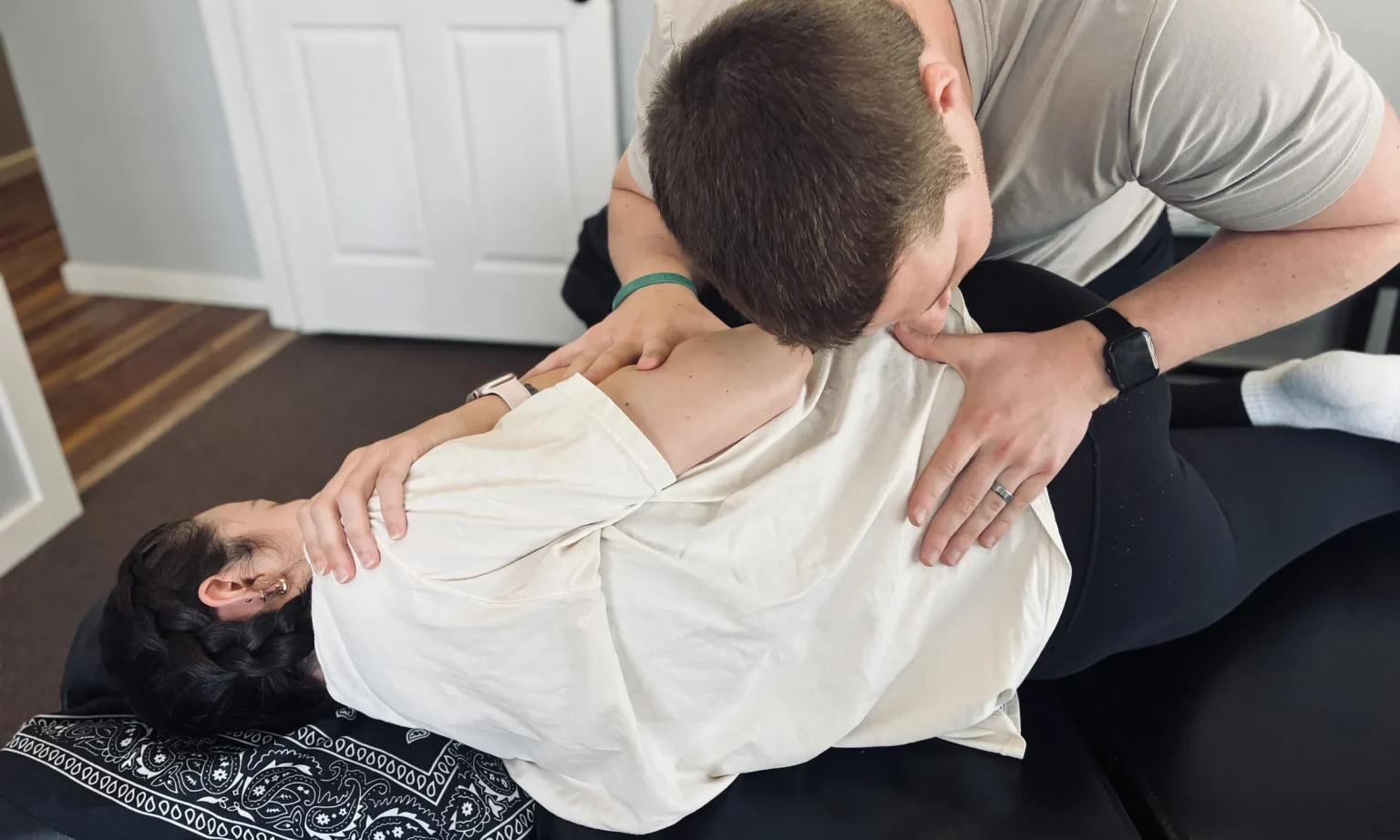
This kind of back pain doesn’t just show up out of nowhere. There’s usually a mix of things happening at once, and once you understand them, the pain makes a lot more sense.
We see moms in our Colleyville office all the time who say the same thing: it snuck up on them around week 20 and got worse from there. That tracks with what the American College of Obstetricians and Gynecologists sees too, listing backache as one of the most common pregnancy complaints, especially in the later months. The timing isn’t random, it lines up with a few real physical shifts happening in the body.
- Shifting center of gravity: as the belly grows, posture changes to compensate, pulling the lower back into a deeper curve while the muscles there work overtime
- Relaxin hormone: the body releases relaxin to loosen ligaments for delivery, which is good for birth but also loosens the joints in the pelvis and spine, making them less stable
- Weight distribution changes: extra weight up front changes how the spine and hips carry load, so the lower back and sacroiliac joints often take the brunt of it
- Weakened core muscles: the abdominal muscles stretch and separate as the uterus grows, taking away some of the support the lower back normally counts on
- Pelvic misalignment: if the pelvis is already a little uneven, pregnancy tends to make that imbalance more noticeable, especially in the second half
Most moms don’t realize the relaxin piece until we explain it. Nothing is broken or injured; the ligaments are doing exactly what they’re supposed to do. But loose ligaments, plus a growing belly, plus a full day of sitting or driving, adds up fast.
Think about a mom in North Richland Hills who commutes into Fort Worth or Dallas for work: sitting in the car for 40 minutes each way, then at a desk most of the day. That much sitting with a shifting pelvis is a recipe for lower back and hip pain by the third trimester.
Or picture a family that just moved to Colleyville and is still unpacking boxes, bending over cribs and changing tables. Lifting and bending with an already-shifted center of gravity puts extra strain right where it isn’t wanted: low in the back and through the pelvis.
Usually what’s going on when the pain flares is a joint or muscle group compensating for another area that isn’t moving well, which is the piece a lot of moms in Southlake and Hurst don’t know until someone checks their alignment.
Back pain during pregnancy doesn’t just need explaining. It needs relief that works tonight. We tell every mom in our office the same thing: small daily habits beat one big fix. A mom driving from Southlake to Colleyville for work every day carries tension in her low back before she even gets out of the car, which is where a few safe stretches come in.
A question we get a lot: is it even safe to stretch while pregnant? Yes, with a few common-sense adjustments. Skip anything that has you lying flat on your back for long periods after the first trimester, skip deep twists, and always move slowly with no bouncing.
- Cat-cow on hands and knees, moving with your breath, 8 to 10 slow reps
- Seated pelvic tilts in a chair, great for a quick reset at a desk in Colleyville or North Richland Hills
- Hip flexor stretch using a low step or stair, holding 20 to 30 seconds each side
- Child’s pose with knees wide to make room for the belly
- Standing wall lean to open the chest and counter that forward-hunched posture
None of these should hurt. A mild stretch, sure. Sharp pain, no. If something pulls wrong, stop right away.
Stretching helps, but it doesn’t fix the actual problem, which is usually a shift in pelvis and spine alignment as the body changes. We see this all the time: moms stretch for weeks and wonder why the ache keeps coming back. Stretching loosens tight muscles; it doesn’t correct the joint restriction underneath them.
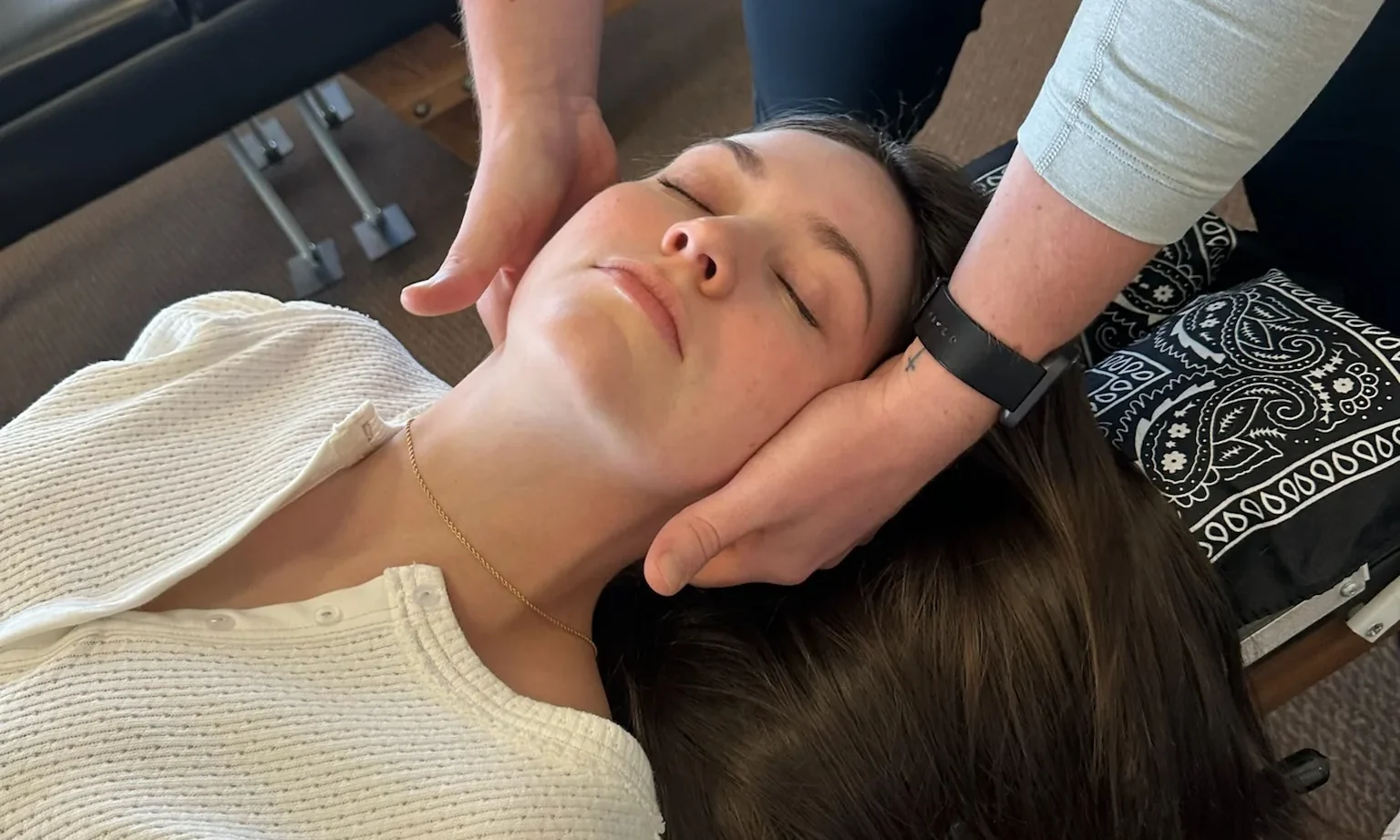
This is where the Webster Technique comes in: a specific chiropractic method built for pregnancy, gentle and focused on pelvic balance, and one of the main things we use in our office for expecting moms in Colleyville, Hurst, and Southlake.
A dad once asked us why his wife’s back pain got worse at exactly 30 weeks, almost overnight. It’s common. That’s usually when the added weight and shifted center of gravity really start pulling on the lower back and sacroiliac joints, and stretching alone often can’t keep up with that shift.
Use the stretches daily for relief between visits. But if the pain keeps returning, or it’s affecting sleep or walking, that’s a sign the issue is structural, not just muscular.
Ready for relief that lasts longer than a stretch? If the ache keeps coming back despite stretching, that’s usually the clearest sign it’s time for a proper evaluation.
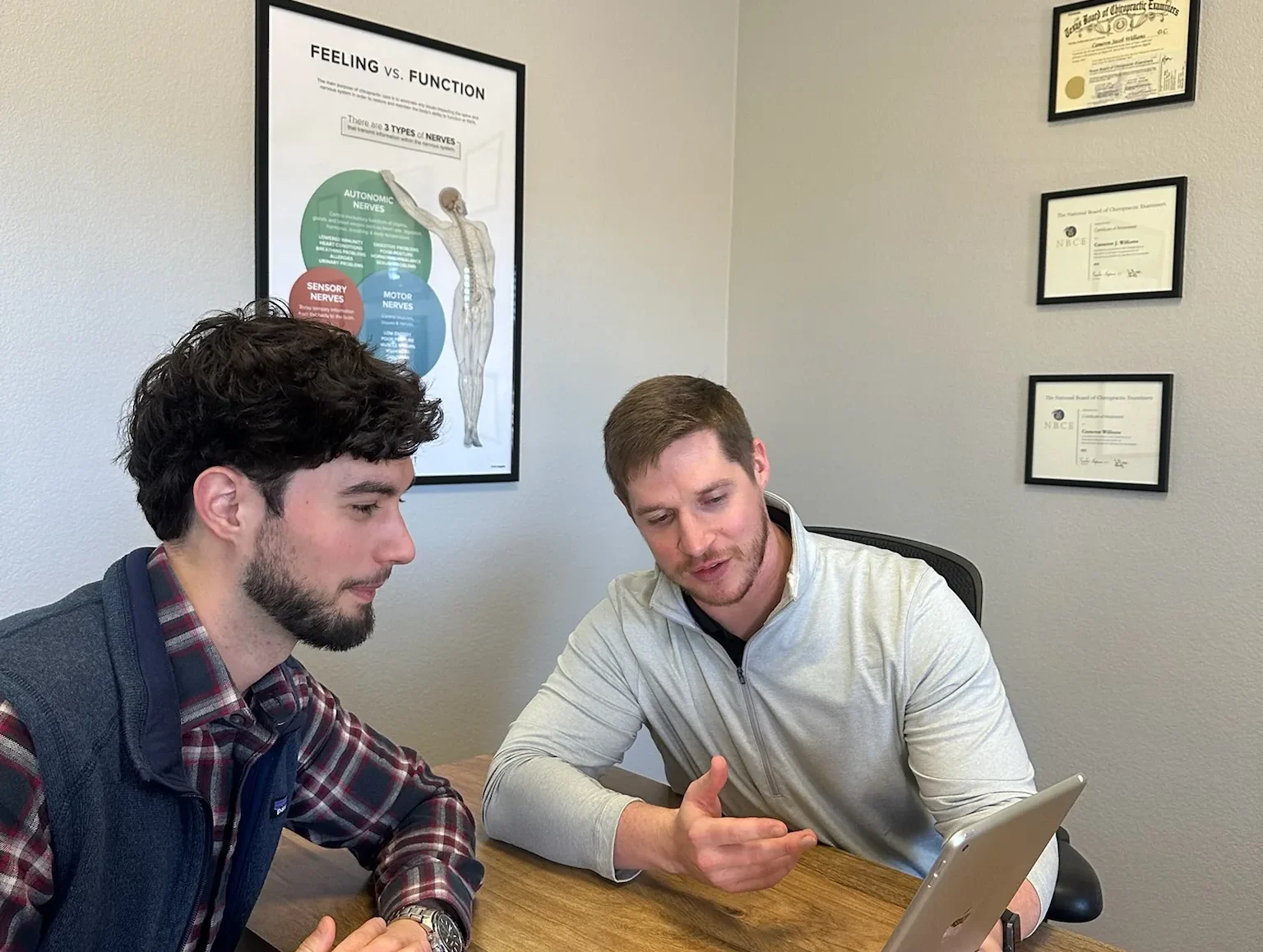
Is lower back pain normal during the third trimester of pregnancy?
Yes, some lower back pain is common in the third trimester. Your growing belly shifts your center of gravity, which puts extra strain on your lower spine. This is normal for many moms in Colleyville. But pain that keeps getting worse, or pain that stops you from walking or sleeping, is worth having checked. That kind of pain often points to a pelvic or joint issue, not just muscle fatigue.
Can I see a chiropractor for back pain during pregnancy?
Yes, gentle chiropractic care is a common option for pregnancy back pain. Techniques used on pregnant moms are different from regular adjustments. They focus on pelvic balance and are built to work with your changing body, not against it. Many moms in Colleyville use prenatal chiropractic care alongside stretching and rest for better relief. A provider can check your specific pain pattern before recommending any care plan.
Is back pain normal at 37 weeks pregnant?
Some back pain is common at 37 weeks because your baby is at full size and your joints are looser. This extra weight and looseness put more pressure on your lower back and pelvis. But sudden, sharp pain, or back pain paired with contractions, needs prompt attention. If your pain feels different than what you had earlier in pregnancy, it’s a sign to get it checked rather than wait it out.
What is the difference between sciatic pain and regular back pain during pregnancy?
Sciatic pain travels down one leg, while regular back pain stays in your lower spine. Sciatic pain often comes with tingling or numbness in the leg or foot. It happens when a tight muscle or shifted joint presses on the sciatic nerve. Regular lower back pain usually feels like an ache or stiffness after sitting or standing too long. Knowing which type you have helps match you with the right relief approach.
Does commuting from Colleyville make pregnancy back pain worse?
Yes, long commutes can make pregnancy back pain worse. Many Colleyville moms drive into Fort Worth or Dallas for work, sitting for long stretches in the car and at a desk. Sitting with a shifting pelvis and loosened joints adds extra strain to your lower back. Short breaks to stand and stretch during the day can help. If pain still builds up despite breaks, that’s a sign your pelvis may need a closer look.
How do I know if my pregnancy back pain needs more than home stretches?
You’ll know home stretches aren’t enough when pain keeps coming back or affects your sleep and walking. Stretching loosens tight muscles, but it doesn’t fix a shifted joint underneath them. If pain returns within a day or two of stretching, the cause is likely structural. That’s when a hands-on evaluation, like what’s offered through prenatal chiropractic care in Colleyville, can find the real source of the problem.

Schedule Now
Looking for a family chiropractor in Colleyville, TX? At Radiant Chiropractic, every care plan starts with a real assessment, not a guess. Schedule your first visit and see what’s actually going on.
What Colleyville Families Are Saying
Real feedback from the families we’ve had the privilege to care for


 Trustindex verifies that the original source of the review is Google.
 Trustindex verifies that the original source of the review is Google.

 Trustindex verifies that the original source of the review is Google.
 Trustindex verifies that the original source of the review is Google.
 Trustindex verifies that the original source of the review is Google.
 Trustindex verifies that the original source of the review is Google.
 Trustindex verifies that the original source of the review is Google.
 Trustindex verifies that the original source of the review is Google.

 Trustindex verifies that the original source of the review is Google.
 Trustindex verifies that the original source of the review is Google.
Visit Our Office
Contact us for expert chiropractic care in Colleyville, TX.
PHONE - Call or Text 📱
HOURS
Monday: 9:00am–1:00pm, 4:00pm–7:00pm
Tuesday: 4:00pm–7:00pm
Wednesday: 9:00am–1:00pm, 4:00pm–7:00pm
Thursday: 9:00am–1:00pm, 4:00pm–7:00pm
Friday: Closed
Saturday: Closed
Sunday: Closed