
Vagus Nerve Dysfunction in Colleyville, TX
Nervous-system-informed care for the scattered symptoms vagus nerve dysfunction can cause, guided by CLA INSiGHT scans, not guesswork.
❖ Personalized, One-on-One Care
❖ Cash-Based, No Insurance Required
❖ Webster Certified
❖ CLA Insight Technology
What Vagus Nerve Dysfunction Means
Quick Summary: Vagus nerve dysfunction happens when the main communication line between your brain and your gut, heart, and lungs doesn’t send or read signals correctly. It’s not a single disease, more a signaling problem, which is good news, because the nervous system often just needs the right input to reset.
The vagus nerve runs from your brainstem all the way down through your neck, chest, and belly. It’s the longest cranial nerve in the body, touching your heart, your lungs, your stomach, and your gut. When it’s working well, it helps your body switch into rest-and-digest mode after stress. When it’s not working well, that switch gets stuck.
Picture a parent finishing the weekly grocery run at Town Center in Colleyville, then coming home to a crying baby and a pile of laundry. Their body stays stuck in go-go-go mode, and over time that constant stress can wear down how well the vagus nerve does its job: heart rate stays elevated, digestion slows down, and they feel wired but exhausted without knowing why.
Kids can show this too, though it looks different. It’s a common mistake to assume digestive issues or trouble calming down are just “personality.” A nervous system that can’t shift out of fight-or-flight mode can show up as a fussy baby, a toddler who struggles to settle, or a child who gets stomachaches before school.
- Trouble switching from stressed to calm, even after the stressful event ends
- Digestive issues like bloating, constipation, or slow gut motility
- Irregular heart rate or breathing patterns that don’t match activity level
- Voice changes or trouble swallowing, in more noticeable cases
- General nervous system dysregulation, including sleep and mood swings
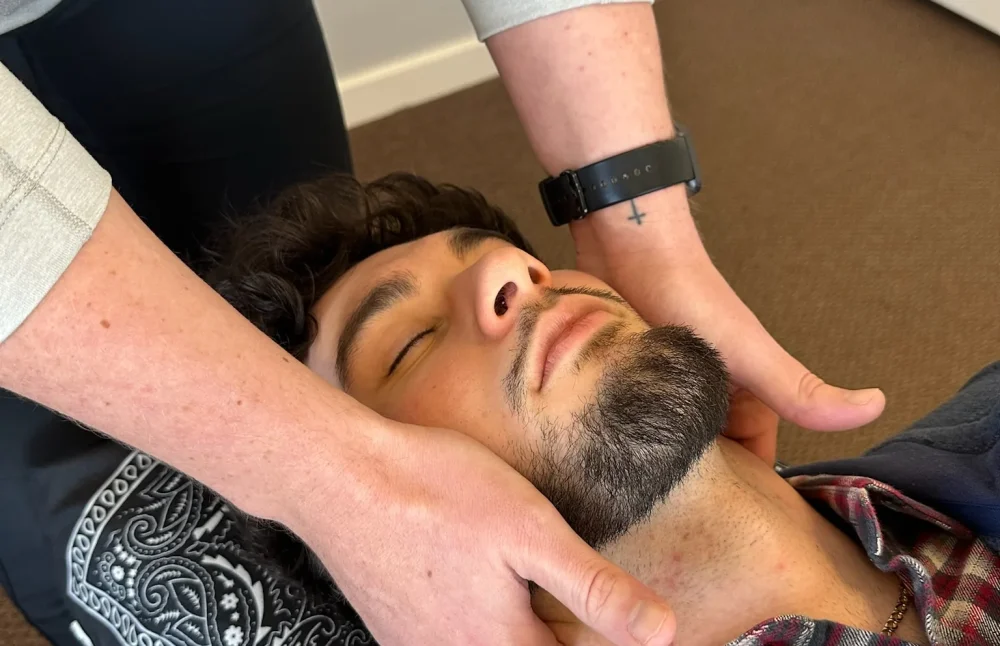
So how does this connect to chiropractic care? The vagus nerve exits the brainstem right near the upper neck, and when there’s tension or misalignment in that area, it can affect how well the nerve carries its signals. That’s not the same as saying chiropractic care cures a diagnosed medical condition. It doesn’t. But gentle, specific adjustments in that region can support better nervous system function overall.
Why Unrelated Symptoms Show Up Together
Here’s what confuses most parents we talk to in Colleyville: a child with stomach trouble, poor sleep, and unexplained anxiety, or a parent juggling headaches, gut issues, and a racing heart, all at once. These symptoms don’t feel connected, but they often are, because of vagus nerve dysfunction.
The vagus nerve runs from your brainstem down through your neck and chest into your gut. It’s the main communication line for the parasympathetic nervous system, the part of you that handles rest, digestion, and calm. One nerve touches a lot of territory, so when it’s not firing right, the effects show up in places that seem completely unrelated to each other.
We see this pattern often in families from North Richland Hills who’ve just gone through a move or a stretch of high stress: the kids are adjusting, a parent is managing the transition, and suddenly everyone in the house has digestive complaints, sleep issues, and low energy. It looks like four separate problems. It’s often one nervous system pattern playing out differently for each family member.
- Digestive trouble paired with anxiety or a racing heart
- Poor sleep combined with tension headaches or jaw clenching
- Reflux or feeding trouble in infants alongside colic-type fussiness
- Brain fog and fatigue that shows up alongside gut sensitivity
- Mood swings paired with unexplained muscle tightness in the neck and upper back
None of these symptoms live in the same part of the body, but they trace back to the same nerve pathway and the same signaling system between brain and body. This is why treating one symptom at a time so often falls short: a child’s reflux gets managed but the sleep issues stick around, or a parent’s headaches ease up while the gut symptoms never fully resolve. That’s usually a sign the root cause, nerve communication, hasn’t been addressed.
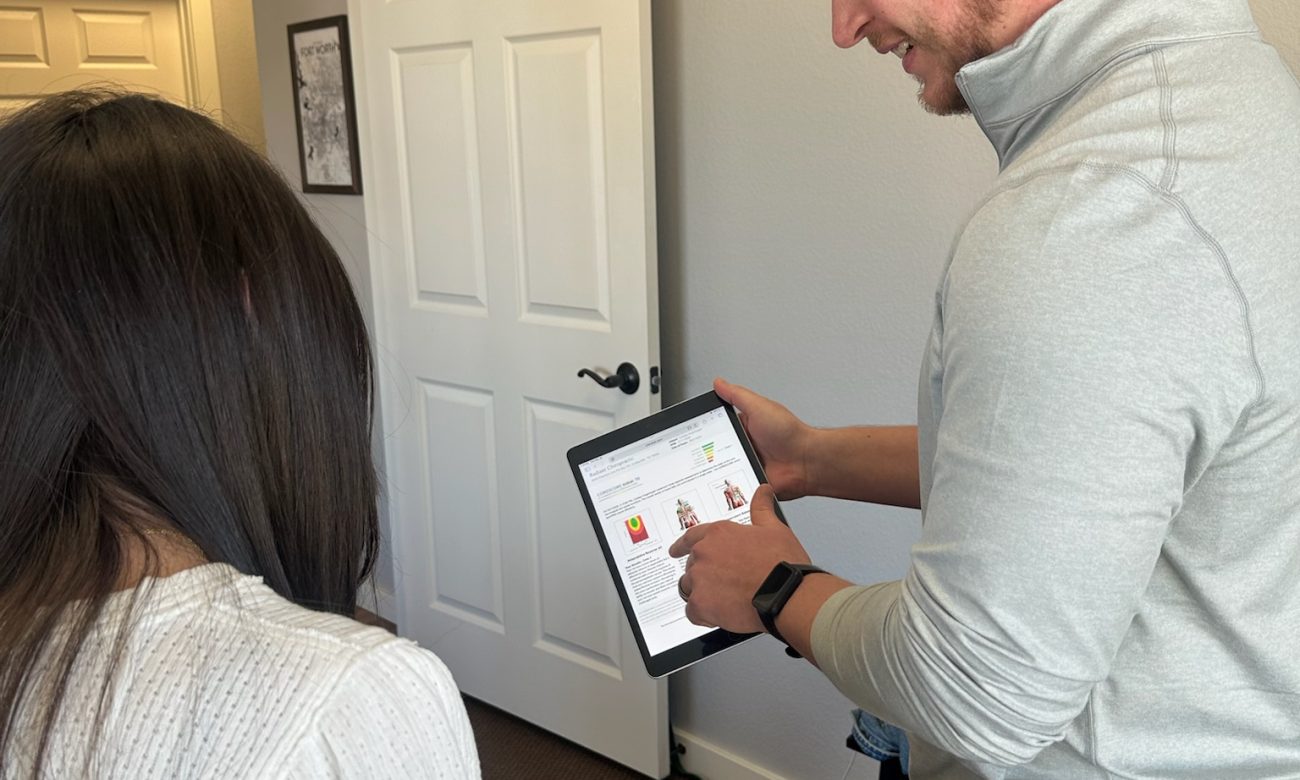
We use CLA INSiGHT scans to measure how the nervous system is functioning instead of guessing at it. That data helps us see patterns instead of chasing one symptom at a time. If your family’s symptom list feels scattered and confusing, that’s worth paying attention to, not brushing off.
Common Signs to Watch For
Vagus nerve dysfunction doesn’t show up the same way in every person, which is part of what makes it tricky to spot. Here are the signs we see most often in our Colleyville practice, in both adults and kids:
- Digestive trouble that comes and goes, like bloating, constipation, or a stomach that never quite settles
- Trouble swallowing or a hoarse voice with no clear cause
- Feeling dizzy or lightheaded when standing up too fast
- A resting heart rate that seems too high or too low for no reason
- Kids who seem stuck in fight-or-flight mode: hard to soothe, easily overstimulated, or slow to calm down after a meltdown
Infants show it differently. A baby who arches away during feeding, struggles with reflux, or seems tense and hard to settle might be dealing with nervous system stress rather than a feeding problem alone. We see this often with newborns who had a difficult birth, especially after interventions like a C-section or a long labor.
Adults in Southlake and Colleyville alike tend to notice fatigue that doesn’t match their sleep, a foggy head by early afternoon, or a gut that reacts to every stressful week. None of these signs alone confirm vagus nerve dysfunction, but when three or four of them show up together, in yourself or your child, it’s worth getting checked instead of guessing.
When These Symptoms Need Medical Attention
Most of the symptoms above are things chiropractic care can help support, but a few warrant a visit to your medical doctor or urgent care first, not because they’re common, but because ruling out anything more serious matters more than convenience.
- Chest pain, fainting, or a racing heart that comes on suddenly
- Sudden difficulty swallowing or a new, unexplained hoarse voice
- Severe, persistent digestive symptoms with unexplained weight loss
- Any symptom that feels dramatically different from your usual pattern
If none of those apply, and what you’re noticing is more of a persistent pattern, scattered symptoms, poor sleep, a stuck stress response, that’s exactly the kind of picture a nervous system evaluation is built to sort through.
Frequently Asked Questions
How do I know if my symptoms are vagus nerve dysfunction and not something else?
You won’t know for sure without a proper nervous system check, but a pattern of scattered symptoms is a big clue. If you or your child have digestive trouble, sleep problems, and mood swings that seem unrelated, they may share one root cause: the vagus nerve struggling to send clear signals between brain and body. A single symptom rarely tells the full story. Looking at the whole pattern is what helps families in Colleyville connect the dots.
Can stress from daily life in DFW really affect the vagus nerve?
Yes, ongoing stress can wear down how well your vagus nerve works over time. Tight schedules and constant go-go-go days keep your body in fight-or-flight mode, which makes it harder for your nervous system to shift into rest-and-digest mode later. Over months, this can affect heart rate, digestion, and sleep. It’s part of why we’ll sometimes suggest something as simple as a slow walk around the ponds at Colleyville Nature Center, just under 2 miles from our office: it gives your body an actual signal that it’s safe to switch out of alert mode, rather than just telling yourself to relax.
Is it a personality trait or a nervous system issue when a toddler can’t calm down?
It’s often a nervous system issue, not personality. A common mistake is assuming a fussy baby or a toddler who can’t settle is just how their kid is wired. In reality, a nervous system stuck in fight-or-flight mode can look exactly like that. Stomachaches before school, trouble sleeping, and constant fussiness can all trace back to vagus nerve signaling rather than temperament alone.
What’s the difference between occasional digestive upset and a real vagus nerve problem?
Occasional digestive upset usually clears up on its own, but a real vagus nerve problem tends to show a pattern. Watch for bloating, constipation, or slow digestion that keeps returning alongside other issues, like poor sleep or a racing heart. When digestive trouble pairs up with unrelated symptoms elsewhere in the body, that’s a sign the nerve pathway itself may need attention, not just the gut.
How can I tell if my family’s symptoms are connected to nervous system function?
Look for symptoms that show up together but seem to live in different parts of the body: reflux paired with anxiety, headaches paired with gut sensitivity, or mood swings paired with neck tension. That kind of scattered symptom list is exactly the kind of pattern a nervous system evaluation here in Colleyville is built to sort through, since it looks at the whole picture instead of one complaint at a time.
Does living in a busy area like Colleyville make vagus nerve issues more common?
Busy schedules and long commutes across DFW can add stress that keeps your nervous system on edge more often. This doesn’t mean Colleyville itself causes vagus nerve dysfunction, but the pace of daily life here can make it harder for your body to switch into calm mode. Families who’ve recently moved or juggle long commutes often notice symptoms cluster during those high-stress stretches.

Schedule Now
Looking for a family chiropractor in Colleyville, TX? At Radiant Chiropractic, every care plan starts with a real assessment, not a guess. Schedule your first visit and see what’s actually going on.
What Colleyville Families Are Saying
Real feedback from the families we’ve had the privilege to care for
Posted on Google
 Julz Johnson3 days ago
Trustindex verifies that the original source of the review is Google.
Dr. Cameron did an amazing job with my adjustment!Posted on Google Ehod Alsultan30 days agoDr. Cameron was wonderful like a angel sent from above I came in with all the accent pains limping hurting my back is been hurting for years. I go in there and he adjust my back and he works his magic and guess what I walk out of there feeling great thank you so much for fixing me.Posted on Google
 Logan Vise52 days agoDr. Cameron is the absolute best! Honest, fair, and transparent. Highly recommended!!Posted on Google
 John Marsh67 days agoDr. Cameron is amazingly caring in addition to be highly skilled and extremely thorough. He is a true master of his craft. In my experience, finding someone doing what they love WHILE doing it with a high degree of skill is a unique and refreshing combination.+2Posted on Google
 Kimberly Florez81 days agoMe and my family absolutely love Cameron hes amazing and have never found a chiropractor who has helped me like he has definitely make a appointment with him if you havent already!!!!Posted on Google
 Chris B111 days agoWorking with Dr. Cameron has been great. He’s very thorough in diagnosing and explaining what’s causing my back issues. The appointments are efficient, and I always feel better after. Plus, he gave me exercises/stretches to work on at home so it’s a holistic approach to help with longer term prevention of problems. I would definitely recommend him.Posted on Google
 Brian Cox131 days agoDr. Cameron is an amazing chiropractor who focuses on the issues and creates a plan to adjust the issues to sustainable living. Went from migraine/tension headaches daily to having nothing for past 2 weeks. I had an accident that put me out of alignment, yet Dr. Cameron has taken the time to assess and progress with each area and issue. Has alleviated numbness in my fingers from my wrist issue and recovering a majority of the lost flexibility in my neck. Posture is improving and the tension I carried between my shoulder blades to the base of my neck is relieved.Posted on Google
 Matthew McCormack133 days agoI've had a great experience with Dr. Cameron over the past several months. From the moment you walk into the office, you can tell he genuinely cares about his patients and takes time to listen and provide thoughtful care. I’ve appreciated his professionalism, consistency, and the welcoming environment he and his team create. It’s clear he is passionate about helping people feel their best, and that shows in every interaction. Highly recommend to anyone looking for a chiropractor who is knowledgeable, kind, and truly invested in the people he serves!Posted on Google
 Ricardo Flores150 days agoDr. Cameron is attentive and thorough! Felt great after his adjustment and got a lot of relief. Would recommend anyone go here!Posted on Google
 Tyler Dorshorst151 days agoDr. Cameron was incredibly knowledgeable, caring, and made me feel comfortable from start to finish. Great experience, beautiful office, and I left with hope!Verified by TrustindexTrustindex verified badge is the Universal Symbol of Trust. Only the greatest companies can get the verified badge who has a review score above 4.5, based on customer reviews over the past 12 months. Read more


Visit Our Office
Contact us for expert chiropractic care in Colleyville, TX.
PHONE - Call or Text 📱
HOURS
Monday: 9:00am–1:00pm, 4:00pm–7:00pm
Tuesday: 4:00pm–7:00pm
Wednesday: 9:00am–1:00pm, 4:00pm–7:00pm
Thursday: 9:00am–1:00pm, 4:00pm–7:00pm
Friday: Closed
Saturday: Closed
Sunday: Closed