
Plantar Fasciitis: Heel Pain Relief in Colleyville, TX
Whole-body care for plantar fasciitis and heel pain in Colleyville, TX, looking at how your feet, hips and spine work together, guided by CLA INSiGHT scans.
❖ Personalized, One-on-One Care
❖ Cash-Based, No Insurance Required
❖ Webster Certified
❖ CLA INSiGHT Technology
What Plantar Fasciitis Feels Like
Quick Summary: Plantar fasciitis is irritation of the thick band of tissue along the bottom of the foot. It usually causes a stabbing heel pain that is worst with the first steps in the morning. Supportive shoes, stretching and rest help most people, and how you walk matters too.
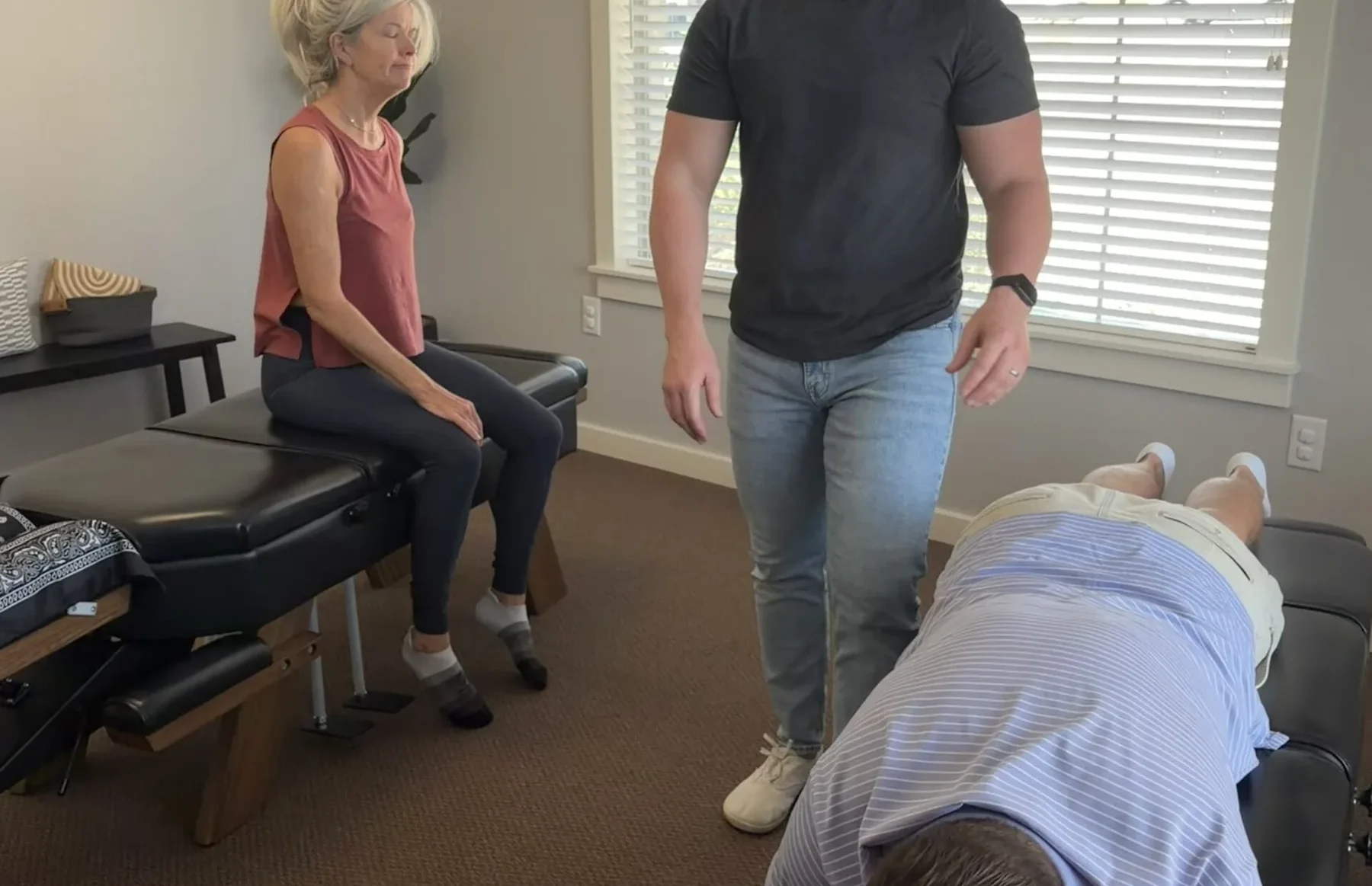
The plantar fascia is a thick band of tissue that runs along the bottom of your foot, connecting the heel bone to the toes. Mayo Clinic’s plantar fasciitis overview explains that too much tension or stress on that band can cause tiny tears, and repeated strain leads to irritation and inflammation.
The classic sign is easy to recognize. Mayo Clinic describes a stabbing pain near the heel that is usually worst with your first few steps in the morning. It can also flare after long periods of standing or when you get up after sitting. The NHS page on plantar fasciitis adds that the pain is around the heel and arch, often eases once you get moving, then comes back after a lot of standing, walking or running, like a long loop on the Colleyville Nature Center trails.
- Sharp or stabbing pain on the bottom of the foot, near the heel
- Pain that is worst with the first steps after sleeping or resting
- Pain that eases once you warm up, then returns later in the day
- Flare-ups after long stretches of standing, walking or running
Heel pain can affect more than the foot. Mayo Clinic notes that if plantar fasciitis isn’t addressed, you may change the way you walk to avoid the pain, which can lead to problems in your feet, knees, hips or back. That chain reaction is a big part of why a chiropractor looks at the whole picture, not just the sore heel.
Who Gets Plantar Fasciitis, and Why
Mayo Clinic lists several things that make plantar fasciitis more likely:
- Age: it is most common between 40 and 60
- Running and high-impact exercise that put stress on the heels and arches
- Foot mechanics, including flat feet, high arches or an unusual walking pattern
- Extra body weight, which adds pressure on the heel and foot
- Jobs with long hours on your feet, such as teaching, factory work and healthcare
Your walking pattern matters in both directions. A sore heel can change how you walk, and the way your hips, knees and pelvis move can change the load on your feet. Pain at the back of the pelvis can also point to an irritated SI joint, which is worth checking at the same visit.
Home Care and How We Help
Most plantar fasciitis starts with simple home care. The NHS suggests:
- Resting and raising your foot on a stool when you can
- Putting an ice pack or bag of frozen peas wrapped in a towel on the sore area for up to 20 minutes every 2 to 3 hours
- Wearing shoes with cushioned heels and good arch support, and trying insoles or heel pads
- Doing regular gentle stretches for the sole of your foot and your heel
- Avoiding high heels, flip-flops and walking barefoot on hard floors
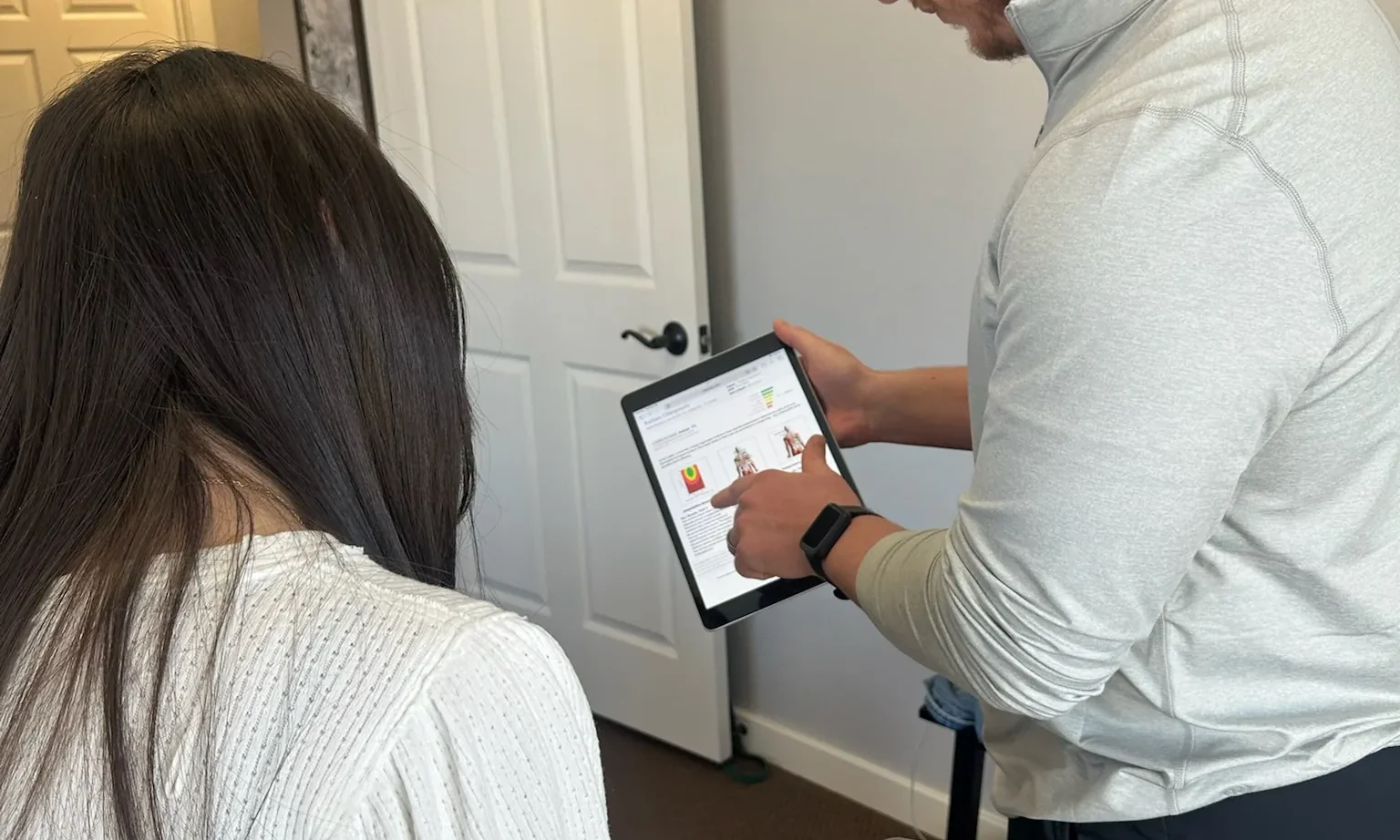
In our office, Dr. Williams looks at your feet, ankles, knees, hips and lower back together in a full posture and movement assessment, because plantar fasciitis often travels with changes in how you walk. A CLA INSiGHT scan adds a picture of muscle tension and nervous system stress along the spine. Care usually combines chiropractic adjustments where they fit, a look at your footwear and daily routine, and stretches you can do at home. To track progress, count how many steps it takes each morning before the pain eases. Runners and other active adults can also ask about our sports and active adult care.
Our Colleyville, TX chiropractic office is an easy drive from Southlake and welcomes families from North Richland Hills too.
When Heel Pain Needs a Doctor
The NHS recommends seeing a doctor if your foot pain hasn’t improved after 2 weeks of home care, if the pain is severe or stops you from doing normal activities, if it keeps getting worse or keeps coming back, or if you have any tingling or loss of feeling in your foot. If you have diabetes, get any foot pain checked, since foot problems can be more serious. Heel pain after a fall or injury, a foot that is red, hot and swollen, or pain with a fever should also be seen by a medical provider right away rather than treated at home.
Frequently Asked Questions
Why does plantar fasciitis hurt most in the morning?
Mayo Clinic notes the pain is usually worst with your first few steps in the morning, and the NHS says it is often much worse when you first start walking after sleeping or resting. The pain often eases as you warm up, then returns after long periods of standing or activity.
How long does plantar fasciitis last?
Most people get better with simple care, though it can take months. AAOS OrthoInfo says more than 90% of people improve within 10 months of starting simple treatment, and the NHS recommends seeing a doctor if pain hasn’t improved after 2 weeks of treating it yourself. Mayo Clinic notes that it can become a long-term problem if it isn’t addressed.
What shoes help with plantar fasciitis?
The NHS recommends shoes with cushioned heels and good arch support, and suggests trying insoles or heel pads. It also advises avoiding high heels, flip-flops and walking barefoot on hard surfaces.
Can plantar fasciitis cause knee, hip or back pain?
It can. Mayo Clinic notes that you may change the way you walk to avoid heel pain, which can lead to problems in your feet, knees, hips or back. That is one reason we look at how your whole body moves, not just your foot.
Who is most likely to get plantar fasciitis?
Mayo Clinic says it is most common between ages 40 and 60, and more likely with running and high-impact exercise, flat feet or high arches, extra body weight, and jobs with long hours on your feet.
Can a chiropractor help with plantar fasciitis?
A chiropractor can look at how your feet, ankles, knees, hips and back work together and how that affects the load on your heel. At Radiant Chiropractic, care is built around what we find, alongside home care like stretching and supportive shoes, and we refer out when something needs a different specialist.
Can kids get plantar fasciitis?
Heel pain in active kids is more often Sever’s disease, an irritation of the growth plate in the heel. Cleveland Clinic says it is very common between ages 8 and 14, especially in kids who play high-impact sports on hard surfaces, and it usually improves with rest. Have your pediatrician check heel pain in a growing child.

Schedule Now
Looking for a family chiropractor in Colleyville, TX? At Radiant Chiropractic, every care plan starts with a real assessment, not a guess. Schedule your first visit and see what’s actually going on.
What Colleyville Families Are Saying
Real feedback from the families we’ve had the privilege to care for


 Trustindex verifies that the original source of the review is Google.
 Trustindex verifies that the original source of the review is Google.

 Trustindex verifies that the original source of the review is Google.
 Trustindex verifies that the original source of the review is Google.
 Trustindex verifies that the original source of the review is Google.
 Trustindex verifies that the original source of the review is Google.
 Trustindex verifies that the original source of the review is Google.
 Trustindex verifies that the original source of the review is Google.

 Trustindex verifies that the original source of the review is Google.
 Trustindex verifies that the original source of the review is Google.
Visit Our Office
Contact us for expert chiropractic care in Colleyville, TX.
PHONE - Call or Text 📱
HOURS
Monday: 9:00am–1:00pm, 4:00pm–7:00pm
Tuesday: 4:00pm–7:00pm
Wednesday: 9:00am–1:00pm, 4:00pm–7:00pm
Thursday: 9:00am–1:00pm, 4:00pm–7:00pm
Friday: Closed
Saturday: Closed
Sunday: Closed