
Herniated Disc: Symptoms and Relief in Colleyville, TX
Nervous-system-informed care for herniated and bulging discs in the neck and lower back in Colleyville, TX, guided by CLA INSiGHT scans, not guesswork.
❖ Personalized, One-on-One Care
❖ Cash-Based, No Insurance Required
❖ Webster Certified
❖ CLA INSiGHT Technology
What a Herniated Disc Is
Quick Summary: A herniated disc happens when the soft center of a spinal disc pushes out through a tear in its outer layer. If it presses on a nerve, it can cause pain, numbness or weakness in an arm or leg. Many people improve with time and gentle activity, but some symptoms need medical care right away.
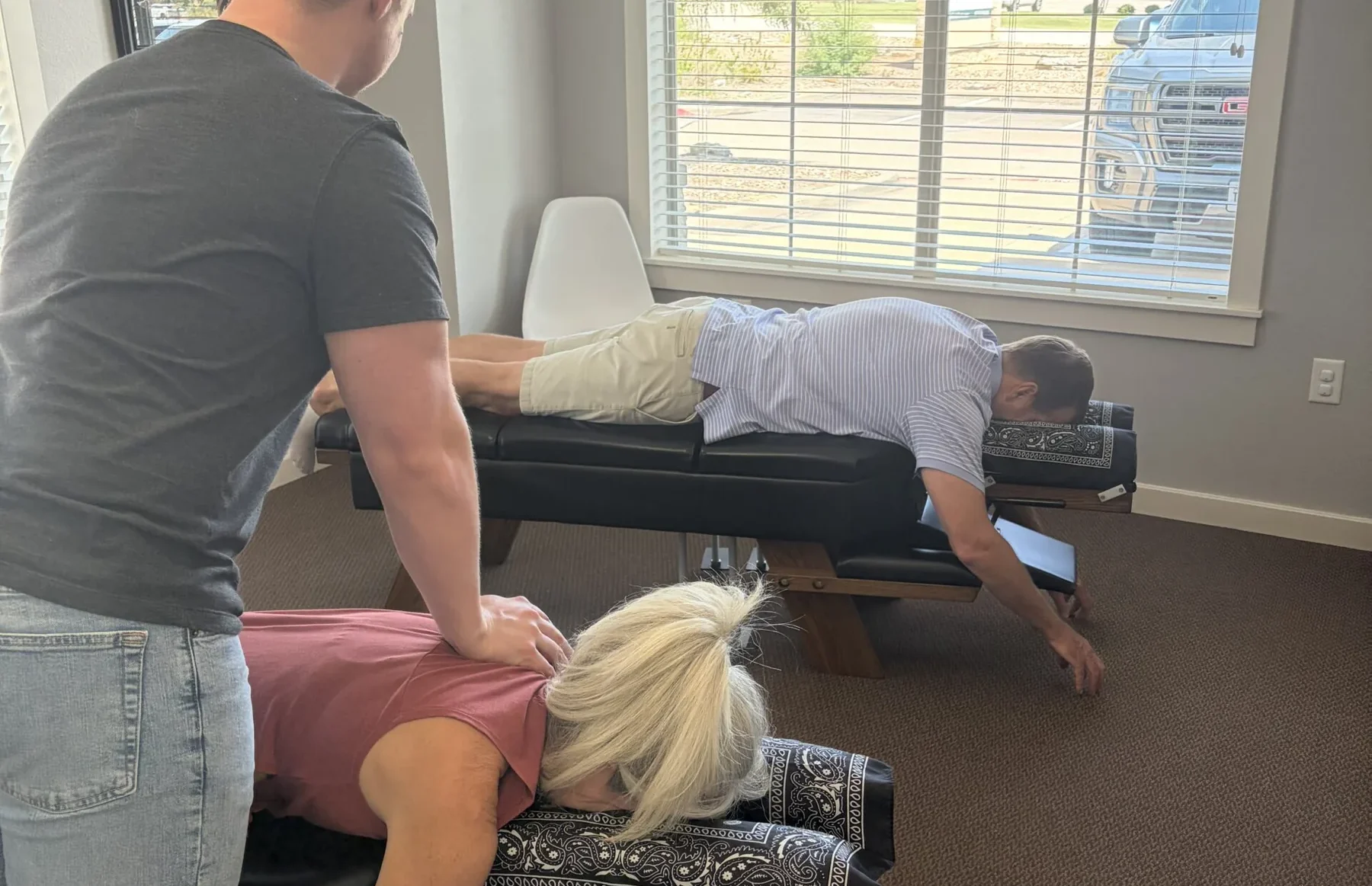
Between each pair of vertebrae sits a disc with a tough outer layer and a softer center. Mayo Clinic’s guide to herniated disc symptoms and causes explains that a herniated disc happens when part of that soft center pushes out through a tear in the outer layer. If it presses on a nearby nerve, it can cause pain, numbness or weakness.
You may hear it called a slipped, bulging or ruptured disc. The disc doesn’t actually slip out of place, but the names describe the same general problem. A herniated disc can happen anywhere along the spine, though it is most common in the lower back and the neck.
Mayo Clinic notes that some people have a herniated disc with no symptoms at all and only find out when it shows up on an imaging test. A disc on a scan doesn’t always explain your pain, which is why a careful exam that connects your symptoms to what is actually happening matters.
Mayo Clinic says herniated discs usually develop over time as discs wear down with age, and that most of the time there is no single known cause. That is why the bend or lift that seems to start the pain is usually the last straw rather than the whole story. Things that can add to it include:
- Lifting heavy things with your back instead of your legs, especially with a twist
- Extra body weight, which puts more stress on the discs of the lower back
- Physically demanding work with repeated lifting, pulling, bending or twisting
- Frequent driving
- Smoking, and not getting enough exercise
- A family history of disc problems
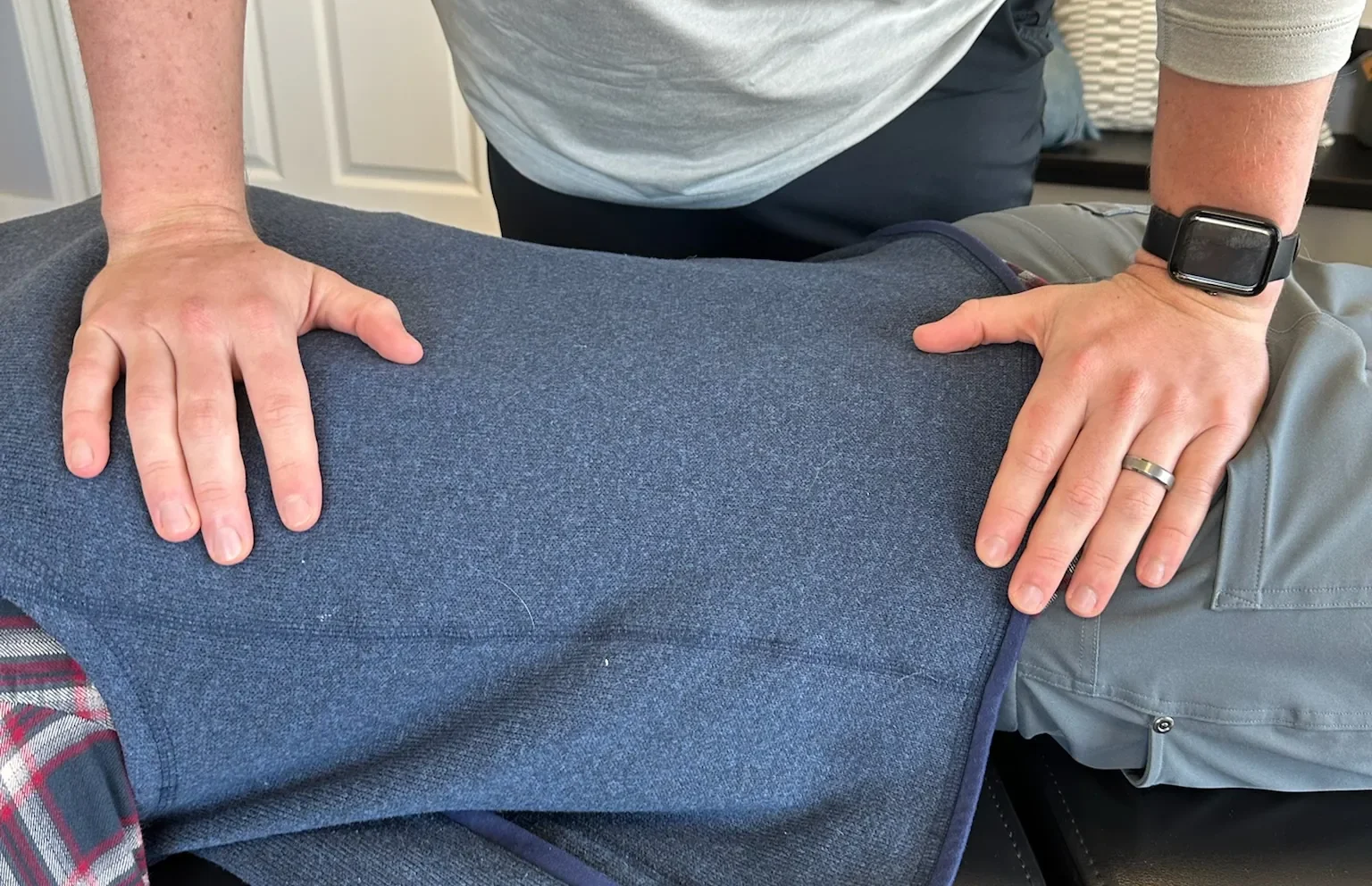
At our chiropractic clinic in Colleyville, your first exam starts with a full history and a posture and movement exam to see how your spine moves and where the symptoms travel. What a CLA INSiGHT scan measures is muscle tension and nervous system stress along the spine, not the disc itself, so if your symptoms suggest you need an MRI or a specialist, we will tell you.
Symptoms in the Neck and Lower Back
What you feel depends on where the disc is and whether it is pressing on a nerve. Mayo Clinic notes that a herniated disc most often affects just one side of the body.
- Lower back: pain in the buttock, thigh and calf, sometimes into the foot, which is how a disc causes sciatica
- Neck: pain in the shoulder and arm that can shoot down the arm with coughing, sneezing or certain movements
- Numbness or tingling in the area the affected nerve supplies
- Weakness in the muscles served by that nerve, which can make you stumble or have trouble lifting or holding things
The NHS overview of slipped discs adds neck pain, trouble bending or straightening your back, and numbness or tingling in the shoulders, back, arms, hands, legs or feet to the list.
When the disc is in the lower back, the leg symptoms are often what people notice most, and they follow the same path that explains why sciatica travels down one leg. Buttock pain that stops above the knee can instead be pain from the SI joint, where the spine meets the pelvis. When the problem is in the neck, arm pain and tingling in the hand are more typical. That overlaps with pinched nerve symptoms, and it is why chiropractic care for neck pain starts by checking where arm symptoms travel.
Recovery, Daily Habits and How We Help
The NHS notes that a slipped disc usually gets better slowly with rest, gentle exercise and pain relief. It recommends keeping active and trying gentle activity such as walking or yoga, as long as it doesn’t make the pain worse. Long stretches of bed rest tend to leave the back stiffer, not better.
Mayo Clinic’s prevention advice is practical: exercise to strengthen the muscles that support the spine, keep good posture, maintain a healthy weight, don’t smoke, and lift with your knees bent so your legs do the work. A few habits help in daily life too:
- Break up long stretches of sitting and driving with short walks
- Carry heavy things close to your body instead of reaching
- Lift kids, car seats and groceries with a straight back and bent knees
- Stay with gentle movement on sore days instead of stopping completely
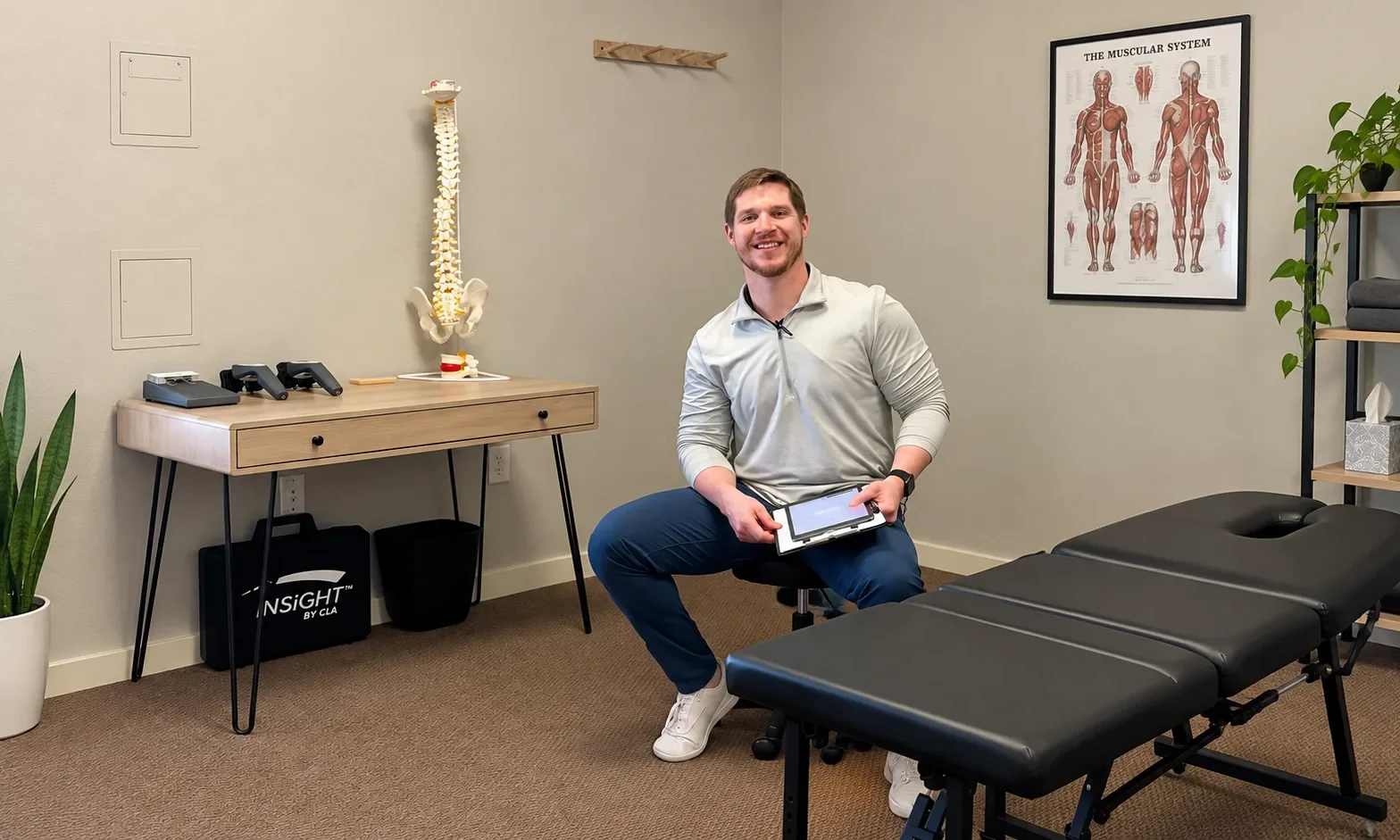
In our office, a care plan for a herniated disc is built around what your exam and scan show. It usually combines gentle chiropractic adjustments focused on how your spine and pelvis are moving with simple habits you can repeat at home, and we track how your symptoms change over the following weeks. We are clear about what falls outside chiropractic care, and if your symptoms aren’t improving or point to something else, we will refer you. It follows the same approach as our back pain and sciatica treatment, and our office is a short drive for Southlake families and anyone looking for family chiropractic in North Richland Hills.
When a Herniated Disc Needs Emergency Care
Get emergency care right away, and don’t drive yourself, if back or neck pain comes with any of these signs. Rarely, a herniated disc presses on the bundle of nerves at the bottom of the spinal cord, which Mayo Clinic describes as a medical emergency:
- Symptoms that keep getting worse
- Numbness around your bottom, genitals, inner thighs or the backs of your legs
- Losing feeling in one or both legs
- Trouble peeing, or not being able to control your bladder or bowels
- Back pain after a serious accident such as a car crash
For symptoms that aren’t urgent, Mayo Clinic recommends contacting a healthcare professional if neck or back pain travels down an arm or leg, or if you also have numbness, tingling or weakness. The NHS adds that you should see a doctor if pain relief isn’t helping, the pain isn’t improving after a few weeks, or it is worse at night.
Frequently Asked Questions
What is the difference between a herniated disc and a bulging disc?
Both describe a disc that has pushed beyond its normal space. With a herniated disc, part of the soft center pushes out through a tear in the outer layer, as Mayo Clinic explains. People often use slipped, bulging and herniated loosely, so it is worth asking your provider exactly what an imaging report means.
Can a herniated disc heal on its own?
Many people improve over time. The NHS notes that a slipped disc usually gets better slowly with rest, gentle exercise and pain relief. If pain isn’t improving after a few weeks, is getting worse, or comes with numbness or weakness, get it checked.
Should I rest or stay active with a herniated disc?
Gentle activity is usually better than bed rest. The NHS recommends keeping active with things like walking or yoga as long as they don’t make the pain worse. Ease off any movement that sends sharp pain down your arm or leg.
Do I need an MRI for a herniated disc?
Not always. Mayo Clinic notes that some people have a herniated disc on imaging with no symptoms, so a scan alone doesn’t explain pain. Your provider will usually recommend imaging if symptoms are severe, aren’t improving, or include weakness or other warning signs.
Can a chiropractor tell if you have a herniated disc?
A chiropractic exam can find signs that point to a disc, such as where pain and numbness travel and changes in strength or reflexes, but it can’t confirm one on its own. The NHS notes that an MRI scan may be used if symptoms don’t get better. Our CLA INSiGHT scan measures muscle tension and nervous system stress, not the disc itself, so care is built around your exam and we refer you for imaging or a specialist when symptoms call for it.
What makes a herniated disc worse?
Lifting with your back instead of your legs, twisting while lifting, and long stretches of sitting or driving can all add stress to the discs. Mayo Clinic also lists extra body weight, smoking and lack of exercise as risk factors.
Can a herniated disc press on the spinal cord?
Yes, though it is uncommon. The Cleveland Clinic health library article on myelopathy lists a herniated disc as one cause of spinal cord compression, which can bring numbness or weakness in the arms, hands, legs or feet, trouble with fine motor tasks like buttoning a shirt, balance problems, or loss of bladder or bowel control. Call your provider about new clumsiness or changes in how you walk, and get emergency care for any loss of bladder or bowel control.

Schedule Now
Looking for a family chiropractor in Colleyville, TX? At Radiant Chiropractic, every care plan starts with a real assessment, not a guess. Schedule your first visit and see what’s actually going on.
What Colleyville Families Are Saying
Real feedback from the families we’ve had the privilege to care for


 Trustindex verifies that the original source of the review is Google.
 Trustindex verifies that the original source of the review is Google.

 Trustindex verifies that the original source of the review is Google.
 Trustindex verifies that the original source of the review is Google.
 Trustindex verifies that the original source of the review is Google.
 Trustindex verifies that the original source of the review is Google.
 Trustindex verifies that the original source of the review is Google.
 Trustindex verifies that the original source of the review is Google.

 Trustindex verifies that the original source of the review is Google.
 Trustindex verifies that the original source of the review is Google.
Visit Our Office
Contact us for expert chiropractic care in Colleyville, TX.
PHONE - Call or Text 📱
HOURS
Monday: 9:00am–1:00pm, 4:00pm–7:00pm
Tuesday: 4:00pm–7:00pm
Wednesday: 9:00am–1:00pm, 4:00pm–7:00pm
Thursday: 9:00am–1:00pm, 4:00pm–7:00pm
Friday: Closed
Saturday: Closed
Sunday: Closed