
SI Joint Pain: Causes and Relief in Colleyville, TX
Nervous-system-informed care for SI joint pain and deep low back pain near the pelvis in Colleyville, TX, guided by CLA INSiGHT scans, not guesswork.
❖ Personalized, One-on-One Care
❖ Cash-Based, No Insurance Required
❖ Webster Certified
❖ CLA INSiGHT Technology
What the SI Joints Are and Why They Hurt
Quick Summary: The sacroiliac (SI) joints connect the base of your spine to your pelvis. When they move too much or too little, they can cause a deep ache in the lower back and buttock, usually on one side. Pregnancy, falls and uneven walking patterns are common reasons they get irritated.
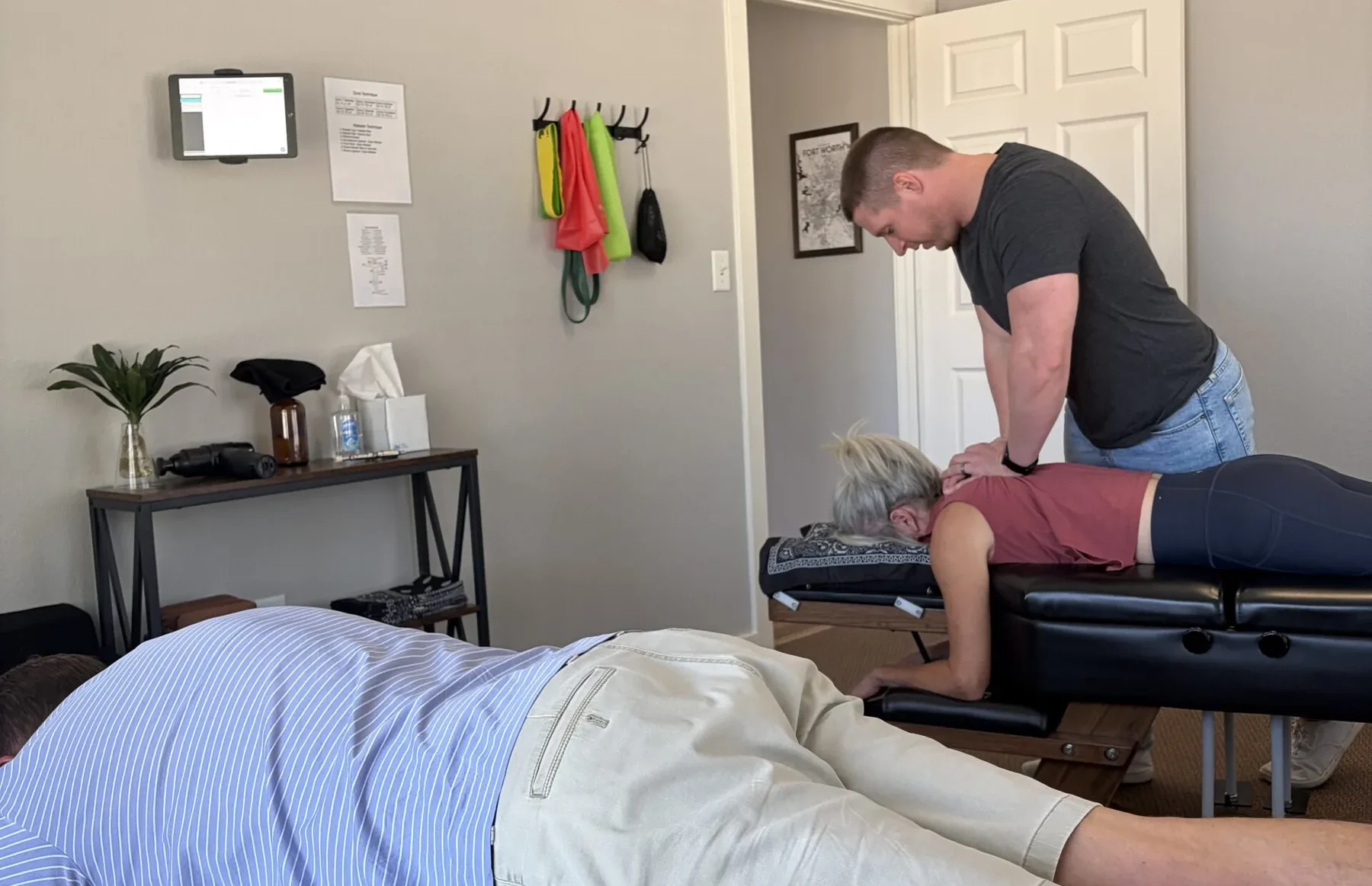
You have two sacroiliac joints, one on each side, where the sacrum at the base of your spine meets the top of your pelvis. Mayo Clinic’s overview of sacroiliitis explains that these joints link the pelvis and lower spine and carry the weight of your upper body when you stand. An introduction to SI joint dysfunction on Spine-Health adds that their main job is to absorb shock between the upper body and the pelvis and legs.
The SI joints are built to move only a little. Spine-Health describes two ways that small amount of movement can go wrong:
- Too much movement: the joint feels unstable, and pain usually shows up in the lower back or hip
- Too little movement: the joint stiffens, which can cause muscle tension, pain and limited mobility
SI joint pain is easy to mix up with other problems. It can feel like a low back strain or a hip problem, and Spine-Health notes it can even cause sciatica-like pain into the thigh. That is why a careful exam matters more than where the pain seems to be. Numbness or tingling that runs past the knee usually points to a different source, such as true sciatica from the lower back or a pinched lumbar nerve.
As a chiropractor in Colleyville, Dr. Williams starts with a posture and movement check of how your pelvis, hips and lower back move together. A CLA INSiGHT scan adds a picture of muscle tension and nervous system stress along the spine, so care is based on what is actually happening rather than a guess.
What SI Joint Pain Feels Like
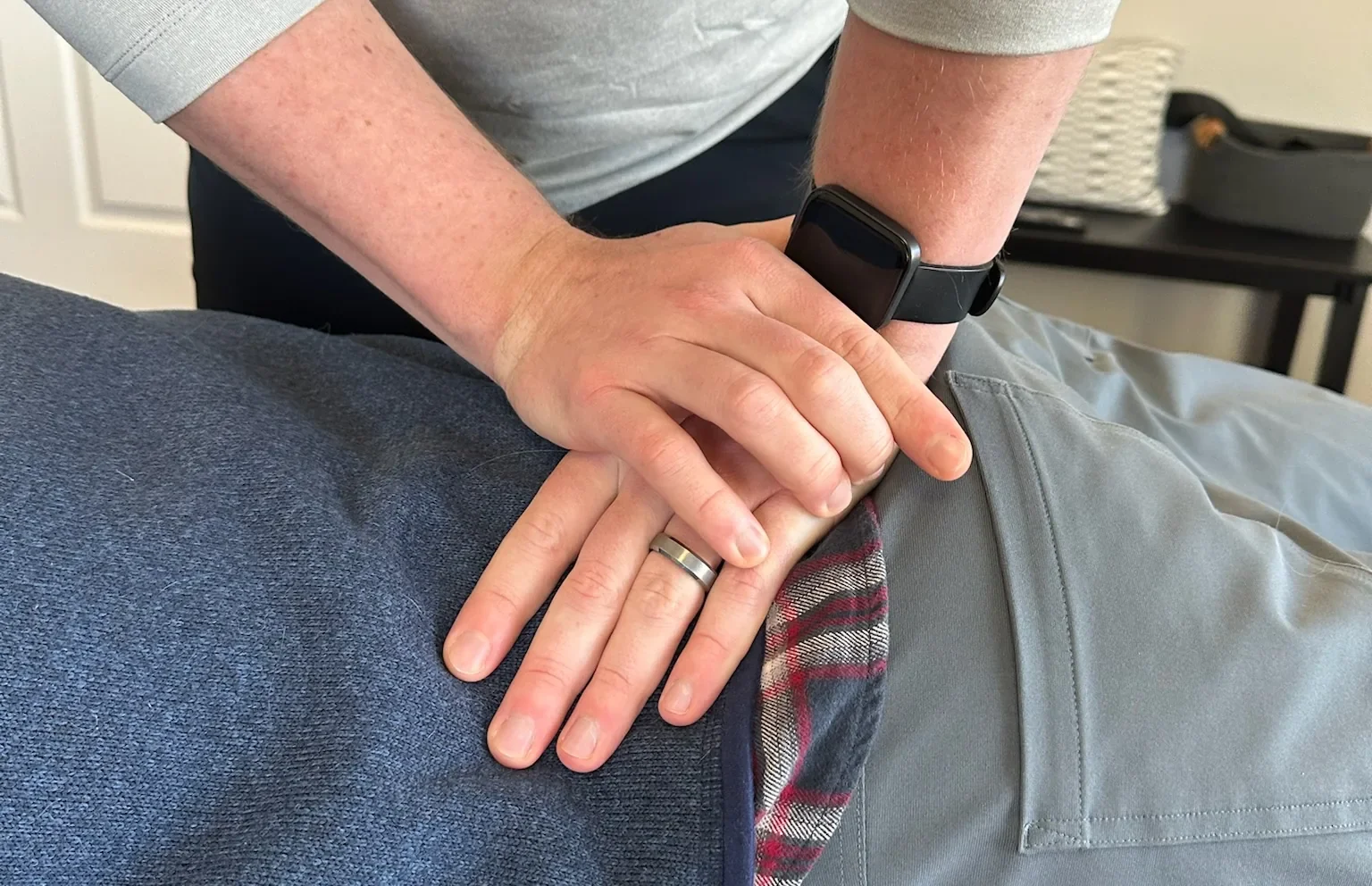
Spine-Health describes SI joint pain as typically a dull ache on one side that gets worse with activity and with staying in one position too long. Mayo Clinic notes that it usually starts in the buttocks and lower back, and can also reach the legs, groin and even the feet.
- A deep ache in the lower back or buttock, usually on one side, which is why lower back pain on one side is worth checking against the SI joint
- Pain into the hip, groin, or the back or side of the thigh
- Pain that flares with stairs, running, or putting more weight on one leg
- Discomfort after sitting, standing or walking for a long time
- Pain when lying on the sore side
- A stiff pelvis, or a feeling that it might give way
Two clues stand out. Pain with stairs or with putting weight on one leg, like stepping into a pair of pants, points toward the SI joint. So does where the pain stops: Spine-Health’s guide to SI joint dysfunction symptoms notes that its sciatica-like symptoms rarely extend below the knee, while true sciatica often reaches the calf and foot.
SI joint pain can also overlap with other conditions. A leg length difference or a curve in the spine changes how weight moves through the pelvis, so we also check for scoliosis and spinal curves during the exam.
Common Causes, Including Pregnancy
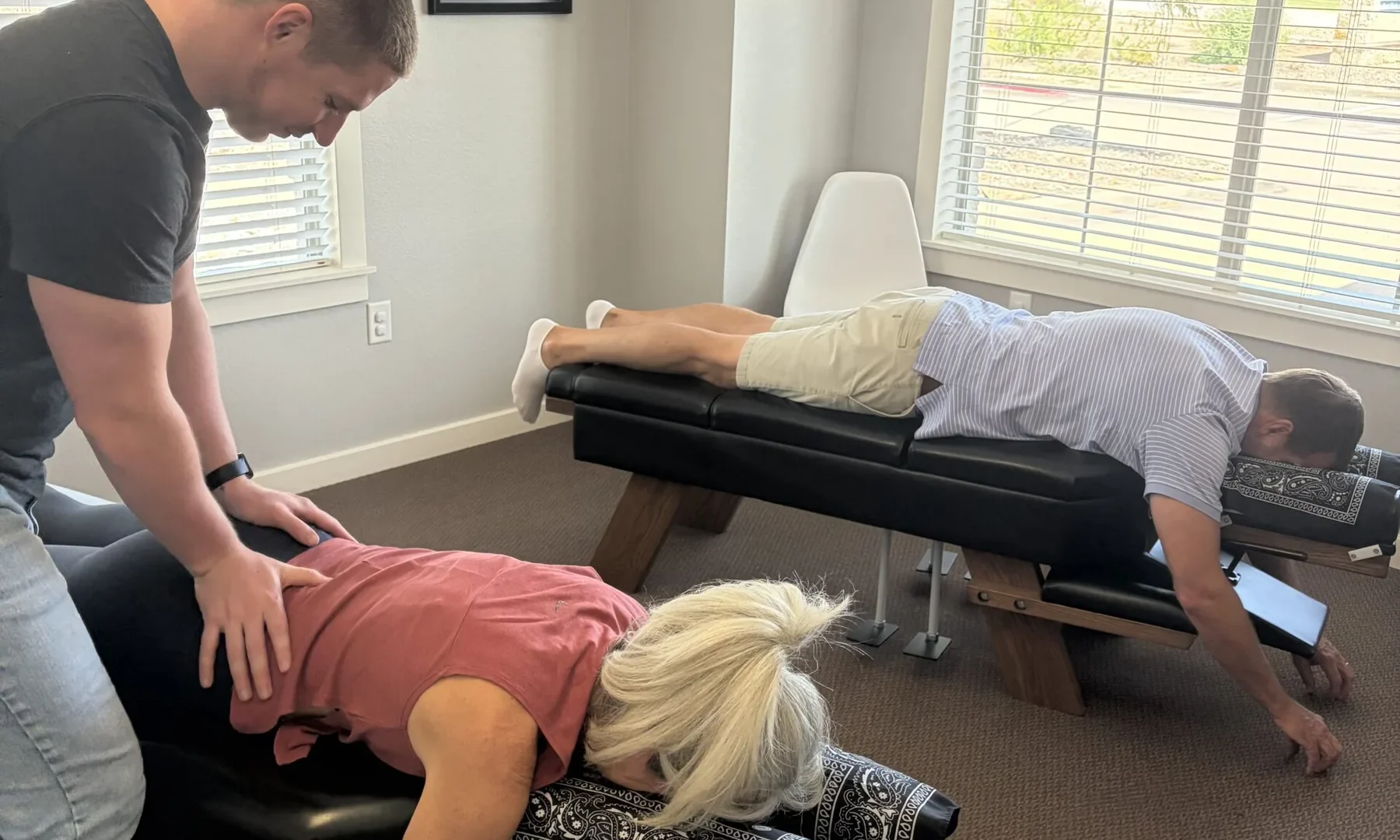
Pregnancy is one of the best known causes. Mayo Clinic explains that the SI joints loosen and stretch to prepare for childbirth, and that the extra weight and changed walking pattern of pregnancy add more strain. Spine-Health notes that pregnancy or recent childbirth commonly causes SI joint pain, and points to the hormonal changes that loosen the ligaments around the joint. That is why it can show up after delivery too, while you are lifting car seats and carrying a baby on one hip.
- Pregnancy and recent childbirth
- A fall or collision, such as landing hard on the buttocks or a car accident
- Uneven walking patterns, including a leg length difference or scoliosis, which load one side of the pelvis more than the other
- Repeated stress from heavy work or contact sports
- Arthritis, including osteoarthritis and ankylosing spondylitis
- Not getting enough regular exercise
If you are pregnant and the pain sits low in the back, over the pubic bone or into the hips, the NHS guide to pelvic pain in pregnancy is a helpful read. Hip and pelvic pain during pregnancy often overlaps with SI joint pain, and knowing how pregnancy pelvic pain differs from sciatica helps you choose what to try first.
In our office, care for SI joint pain is built around what your exam and CLA INSiGHT scan show. It usually combines gentle chiropractic adjustments focused on how the pelvis and lower back move with practical changes to how you sit, sleep, lift and carry kids. For expecting moms, Dr. Williams is certified in the Webster Technique, and Webster certified prenatal care focuses on pelvic balance during pregnancy.
When SI Joint Pain Needs Medical Attention
Most SI joint pain is not an emergency, but some signs need a medical evaluation first. The NHS back pain advice page recommends getting checked if pain hasn’t improved after a few weeks, is stopping you from doing your normal activities, is worse at night or doesn’t ease with rest, or comes with unexplained weight loss. Get urgent care if you feel feverish or generally unwell along with the pain, or if severe pain starts suddenly.
Back pain and stiffness that are worse in the morning and at night, and that ease with exercise but not with rest, can point to an inflammatory condition. The NHS page on ankylosing spondylitis symptoms notes that it usually starts between ages 18 and 40, and it needs a medical diagnosis.
Get emergency care right away for:
- Numbness or weakness in both legs
- Numbness around the genitals or bottom
- New trouble controlling your bladder or bowels
- Pain that starts after a serious accident
If you are pregnant, call your OB or midwife about any new or severe pain, and call right away for any of the signs of preterm labor in March of Dimes’ patient guide, including a constant low, dull backache, pressure in the pelvis, regular contractions or your water breaking.
Frequently Asked Questions
What does SI joint pain feel like?
Most people describe a dull, deep ache in the lower back or buttock, usually on one side. It can spread into the hip, groin or thigh, and it tends to get worse with stairs, running or staying in one position for a long time.
Is SI joint pain the same as sciatica?
No, though they can feel similar. Sciatica comes from irritation of the nerve roots in the lower spine, while SI joint pain comes from the joint between the spine and pelvis. Spine-Health notes that SI joint problems can cause sciatica-like pain into the thigh, but it rarely extends below the knee, which is one clue. An exam is the best way to tell them apart.
Why does my SI joint hurt during pregnancy?
Mayo Clinic explains that the SI joints loosen and stretch to prepare for childbirth, and that the extra weight and changed walking pattern of pregnancy add strain. Let your OB or midwife know about the pain, and ask about supportive habits like putting equal weight on both legs and sleeping with a pillow between your knees.
Does sitting make SI joint pain worse?
It can. Mayo Clinic lists prolonged sitting, standing and walking among the things that can make SI joint pain worse. Changing position often and standing with your weight even on both legs can help.
Can a chiropractor help with SI joint pain?
A chiropractor can check how your pelvis, hips and lower back are moving and look for what is loading the joint unevenly. At Radiant Chiropractic, that includes a CLA INSiGHT scan. Care is built around what we find, and we will refer you if your symptoms point somewhere else.
What can I do at home for SI joint pain?
Stay active but ease off the activities that clearly make it worse, change positions often, and avoid standing with your weight shifted onto one leg. If you are pregnant, the NHS also suggests sitting down to get dressed, wearing supportive shoes and sleeping with a pillow between your legs.

Schedule Now
Looking for a family chiropractor in Colleyville, TX? At Radiant Chiropractic, every care plan starts with a real assessment, not a guess. Schedule your first visit and see what’s actually going on.
What Colleyville Families Are Saying
Real feedback from the families we’ve had the privilege to care for


 Trustindex verifies that the original source of the review is Google.
 Trustindex verifies that the original source of the review is Google.

 Trustindex verifies that the original source of the review is Google.
 Trustindex verifies that the original source of the review is Google.
 Trustindex verifies that the original source of the review is Google.
 Trustindex verifies that the original source of the review is Google.
 Trustindex verifies that the original source of the review is Google.
 Trustindex verifies that the original source of the review is Google.

 Trustindex verifies that the original source of the review is Google.
 Trustindex verifies that the original source of the review is Google.
Visit Our Office
Contact us for expert chiropractic care in Colleyville, TX.
PHONE - Call or Text 📱
HOURS
Monday: 9:00am–1:00pm, 4:00pm–7:00pm
Tuesday: 4:00pm–7:00pm
Wednesday: 9:00am–1:00pm, 4:00pm–7:00pm
Thursday: 9:00am–1:00pm, 4:00pm–7:00pm
Friday: Closed
Saturday: Closed
Sunday: Closed